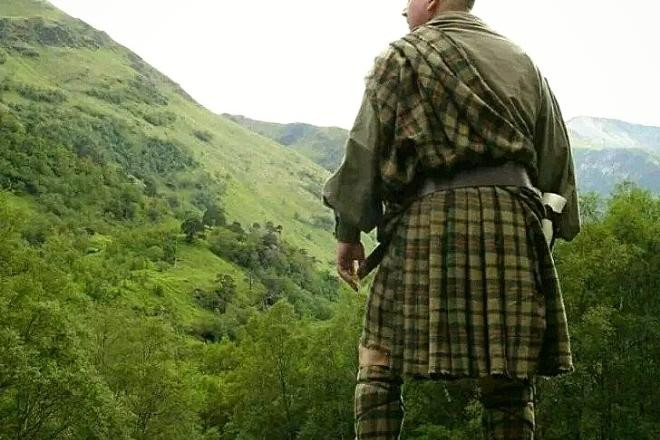
The Traditional Great Kilt and Some Amazing Facts About it!
The Great Kilt is a traditional Scottish garment that is worn by men and women. The term “great” refers to the length of the kilt, which can be up to 72 inches or 2 meters and even more depending on the size.
There is no single definitive answer to how the modern kilt came to be, but the Féileadh Mór or traditional Scottish great kilt is often cited as a major influence in its development. Kilts are a garment worn by men across Scotland, starting in the 16th century and continuing for probably quite some time before then. The great kilt was shorter but wider in its pleats than what we know today. It was worn more like a dress and then had side panels that were draped over both shoulders. The excess material would be wrapped around the waist.
It became popular during the late 18th century and served as a symbol of patriotism for Scotsmen who fought in the American Revolution, Napoleonic Wars, and other conflicts.
How Do They Wear The Great kilt?
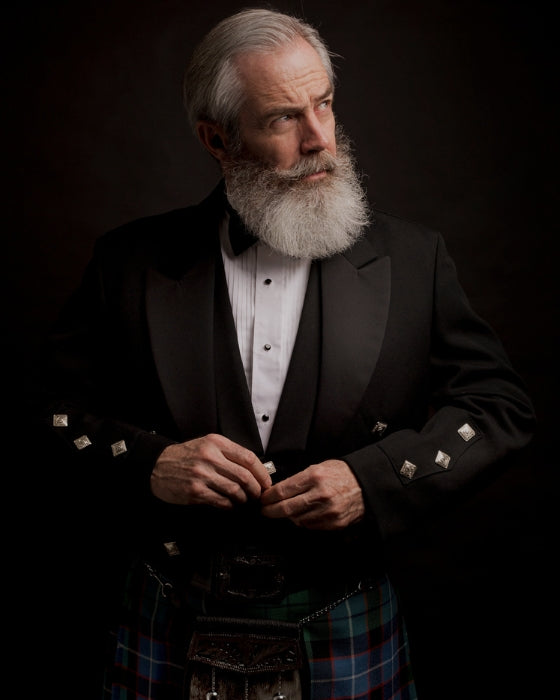
The great kilt is a distinctive garment that has been worn by Scottish men since at least the 16th century. It is a pleated skirt of tartan cloth, traditionally worn belted at the waist with the tail hanging down in front.
The Great Kilt was popular among Scottish men as it was practical and comfortable. The pleats allowed for easy movement, while the belt and tail made it easy to carry and store. It was also stylish, being worn by both high- and low-class Scotsmen alike.
The Kilt has had several variations over time, with some even having pockets to hold items such as tobacco or money. The traditional story is that the highlander would lay the material flat on the floor, and
then wrap it around himself. However, some people dispute this because they claim this is not what happened. Outdoor floor coverings are not practical in Scotland due to the harsh climate.
Most highland dwellings would also be too small to accommodate such a large piece of material laid on the floor and are certain to be done outside. Most great kilts would have had loops inside them, similar to how a piece of yarn or leather was threaded through them to keep their shape. This allowed these custom kilts to be put on and taken off without too much hassle, which is why they are thought of as “great kilts”.
Those Great Kilts Are Functional!
In the 18th century, when Scotland was still a territory under royal rule, the collection of disciplines known as dandyism emerged. Unlike fops and pretenders that appeared in other European courts of the day, Scottish dandies valued dress for practicality and functionality instead of ostentatious style. The additional cloth used to create a kilt would also be able to create pockets. Those pockets could then be used to hold additional material or items. Stories about the Scottish highlands mention that it was common for people to layer their clothes and wear plaid as a way of keeping warm during winter. The rain would often freeze on the outsides of traditional garments like
plaid kilts for men and created a look that seems almost like a wearable igloo. Highlanders in the 1800s typically wore a kilt, a sign of their function over form. Their outfits were traditionally functional, with the lower half of the body left covered in wool and the top half wearing linen. This means they could work and live comfortably while maintaining their comfort levels.
But Why did they Stop Wearing Great Kilts?
For its usefulness, there were a few downsides to the great kilt. It was a weighty unwieldy garment. There are tails of highlanders stripping not long before a fight to build their mobility. It was likewise now and again too warm in the late spring months and hard to dry assuming it became drenched through. This eventually drove history toward those stylish kilts we wear today, otherwise called the fèileadh beag. Despite the fact that it’s not irrefutable, the improvement of the short kilt would have happened at some point north of a couple of years in the 1700s.
Today’s Kilts
The kilt, like other items of clothing, could have had specific Scottish tartans of a specific clan. The traditional materials used in creating the tartan would depend on the time period. Today there are nearly 4,000 different tartans for people to choose from. Kilts today can still be handmade using traditional or modern techniques, or they can be machine-made. Today’s great kilts are vastly different from the kilts used to wear centuries ago, but they have many similarities that have helped establish the kilt as a symbol of Scottish identity and made it known around the world.
Wearing Guide of Scottish Great Kilt and How to Take Care of it Properly?
Wearing an authentic Scottish kilt is not just about wearing it, it’s also about taking care of your authentic Scottish kilt properly. For example, you should always hang your authentic Scottish kilt on a hanger or on a wall hook to avoid wrinkles or creases.
The most common question that people ask about their authentic Scottish kilt is how do I wash my Scottish kilt? The answer to this question depends on what type of fabric the genuine Scottish kilt is made from. A kilt made from silk, satin, or polyester can be washed as a normal garment. A tartan made of wool can only be hand washed, avoiding the use of any fabric softeners and using cold water for the first
wash followed by warm water for subsequent washings.
Individuals often say they wear their kilts with pride because of the distinctiveness wrapped up in them. There is a piece of history just for them, even if it doesn’t include Scotland. If you’d like to have your own piece of Scottish history, visit our website or email us for more information
Where can we get an Authentic Great Kilt?
Since the Scottish Great Kilt is almost Tartan fabric so anyone could buy just the Tartan fabric to wear it, many of the Scottish mills are selling the tartan fabric, however, some of the kilt stores and shops also offer Great Kilt for sale as well along with the Sewn tartan kilts and the Utility kilts
We weave the Great Kilt to order in any tartan in our range, cut to the full traditional length. For pleating and wearing instructions, step by step, see our complete great kilt guide.
Explore products
Browse all products →
A professional writer known for producing authentic, research-based content on Irish and Scottish heritage.