Tartan Kilts
About this collection
Tartan Kilts
Showing 1–20 of 442 products
Save 27%
-27%


Campbell Bespoke Kilt
$58.00
$79.00
Save 27%
-27%


MacGregor Bespoke Kilt
$58.00
$79.00
Save 35%
-35%


Brown Watch Bespoke Kilt
$58.00
$89.00
Save 27%
-27%


MacDonald Bespoke Kilt
$58.00
$79.00
Save 35%
-35%
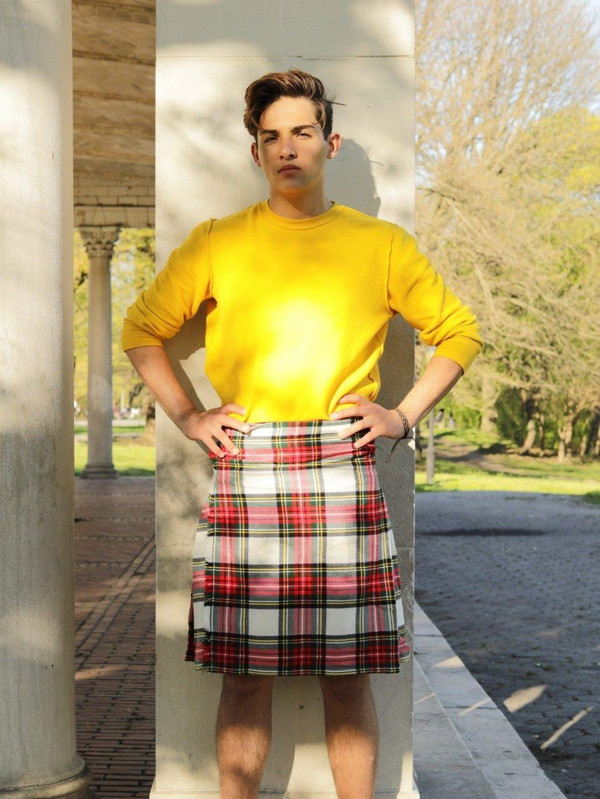

Stewart Dress Bespoke Kilt
$58.00
$89.00
Save 35%
-35%


Gordon Dress Bespoke Kilt
$58.00
$89.00
Save 35%
-35%
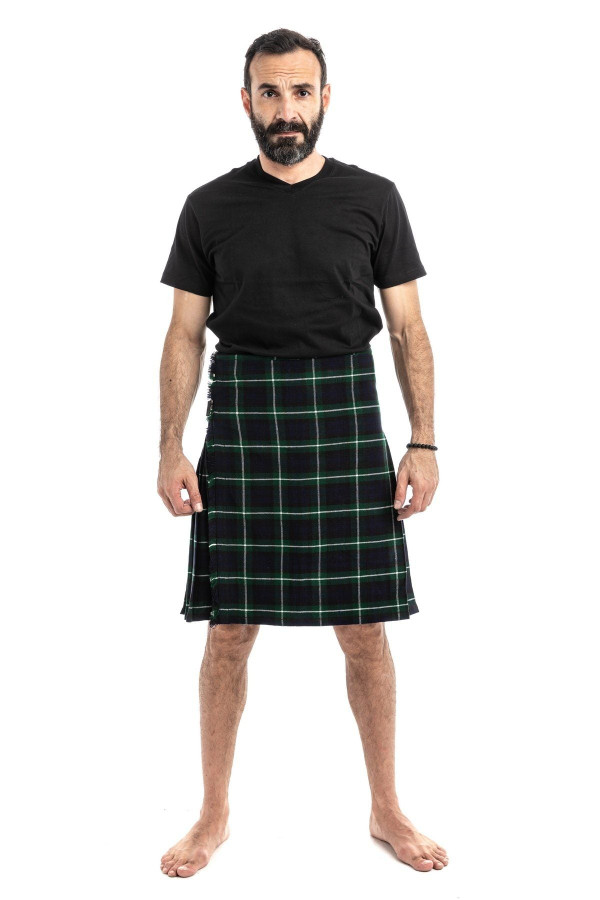

Regiment of Foot official Bespoke Kilt
$58.00
$89.00
Save 35%
-35%


Marsa Scout Group Bespoke Kilt - Limited
$58.00
$89.00
Save 35%
-35%


Longniddry Green Bespoke Kilt
$58.00
$89.00
Save 35%
-35%


Iron Horse Bespoke Kilt
$58.00
$89.00
Save 35%
-35%


CumberNauld District Bespoke Kilt
$58.00
$89.00
Save 35%
-35%


Thomson Camel Bespoke Kilt
$58.00
$89.00
Save 35%
-35%


Barclay Hunting Bespoke Kilt
$58.00
$89.00
Save 35%
-35%

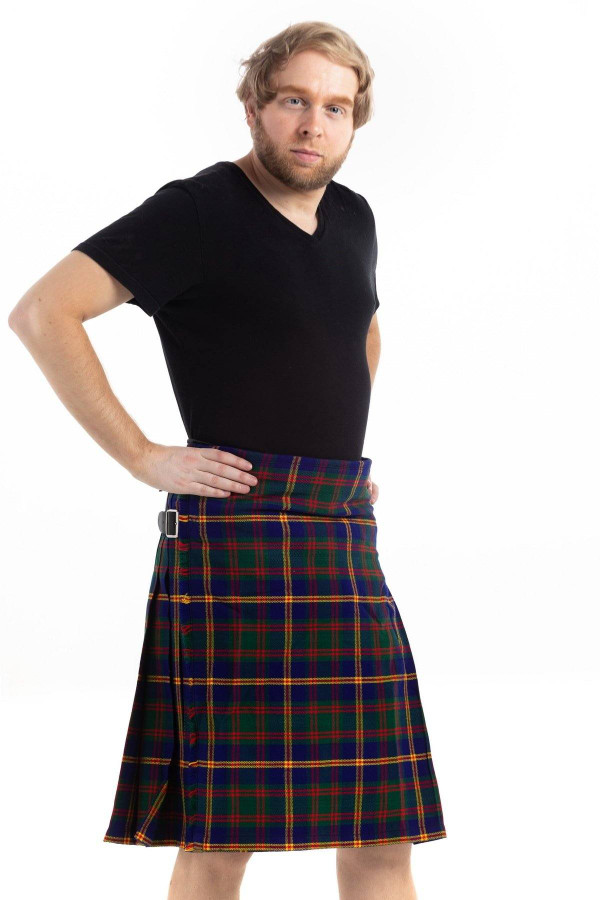
US Marine Corps Corporate Bespoke Kilt
$58.00
$89.00
Save 27%
-27%


MacKenzie Bespoke Kilt
$58.00
$79.00
Save 35%
-35%


Wallace Hunting Bespoke Kilt
$58.00
$89.00
Save 35%
-35%


Stewart Hunting Bespoke Kilt
$58.00
$89.00
Save 35%
-35%


US Army Bespoke Kilt
$58.00
$89.00
Save 35%
-35%
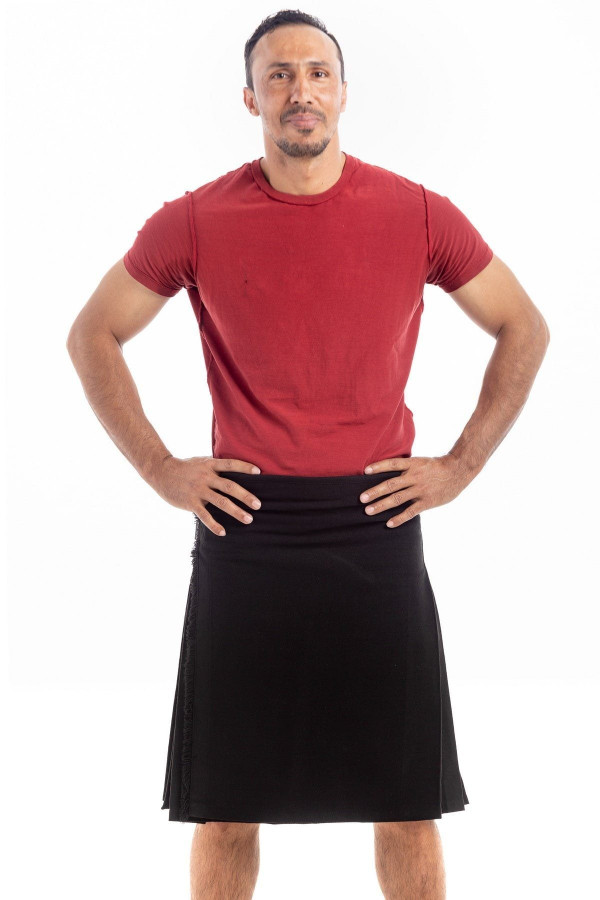

Plain Black Bespoke Kilt
$58.00
$89.00
Save 35%
-35%


Stewart Black Bespoke Kilt
$58.00
$89.00
Most popular this season
Best Selling
The six styles our customers order most — every one made-to-measure to fit you exactly.
—
Shop by Inspiration
Made to Measure. Made to Last.
Each piece is expertly tailored, carefully finished and fitted to perfection, honouring Scotland's rich tailoring tradition.
Common questions
Frequently asked questions
Learn before you buy
Buying guides & Highland-dress resources
How to Choose a Kilt
Traditional 9-yard vs 5-yard vs utility — which kilt fits your occasion, climate, and budget.
Read the guide
Measuring Guide
Step-by-step diagrams for kilts, jackets, waistcoats and more — showing waist, chest, hip and length, with exactly where to place the tape.
Read the guide
Scottish Clan & Sept Finder
Find your clan tartan by surname — including sept names that match to parent clans.
Find your tartan
Tartan History & Symbolism
From pre-1700s belted plaids to modern dress tartans — the story of clan setts.
Read the guide
Care & Cleaning Guide
How to clean, press, and store your product to keep the pleats sharp for decades.
Read the guide
Burns Night Dress Code
What to wear to a Burns supper on 25 January — kilt, sporran, shirt, hose, and Sgian-dubh etiquette explained.
Read the guide
Behind the bench
Tour our workshop in Sialkot
Three minutes inside one of our Pakistan workshops — see hand-pleating, fabric cutting, and the final fit-check every kilt passes before it ships. Customers and partners are welcome to visit in person.