Browse the complete Oliphant tartan range here. From made-to-measure kilts to fabric, accessories and gifts, each item is woven in the Oliphant sett and offered in several colourways to suit your taste and occasion.
ii.
Choose Your Oliphant Tartan Colourway
Pick the shade that suits you: Modern (rich, bold colour), Ancient (soft, lighter tones), Weathered (faded, natural look) or Dress (brighter, formal). The selector is on every product.
iii.
Oliphant Tartan Scarves, Ties & Gifts
Round things off with Oliphant tartan extras — scarves, ties, sashes, flashes and small gifts — kept in stock where possible for fast dispatch.
iv.
Oliphant Tartan Kilts & Highland Dress
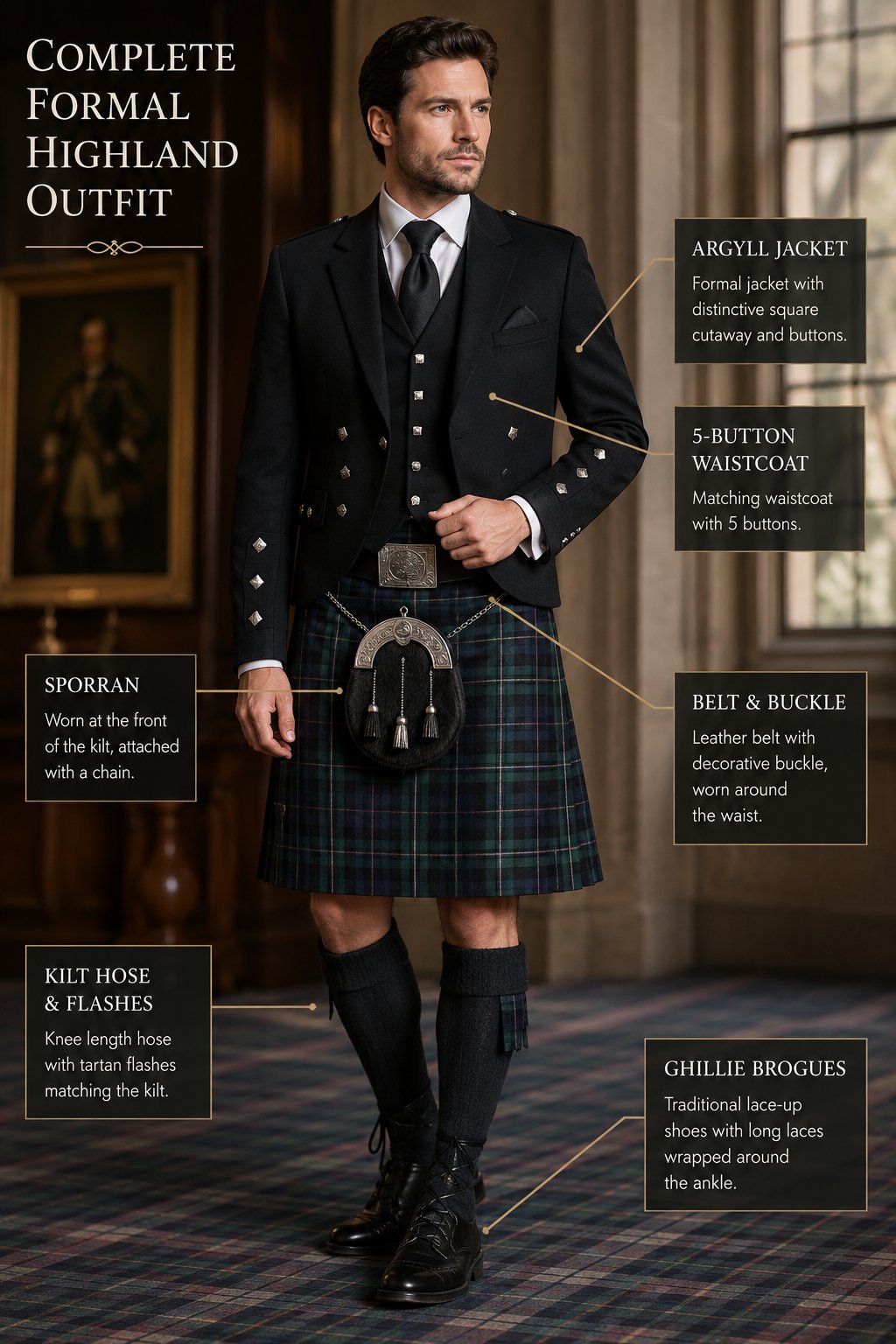
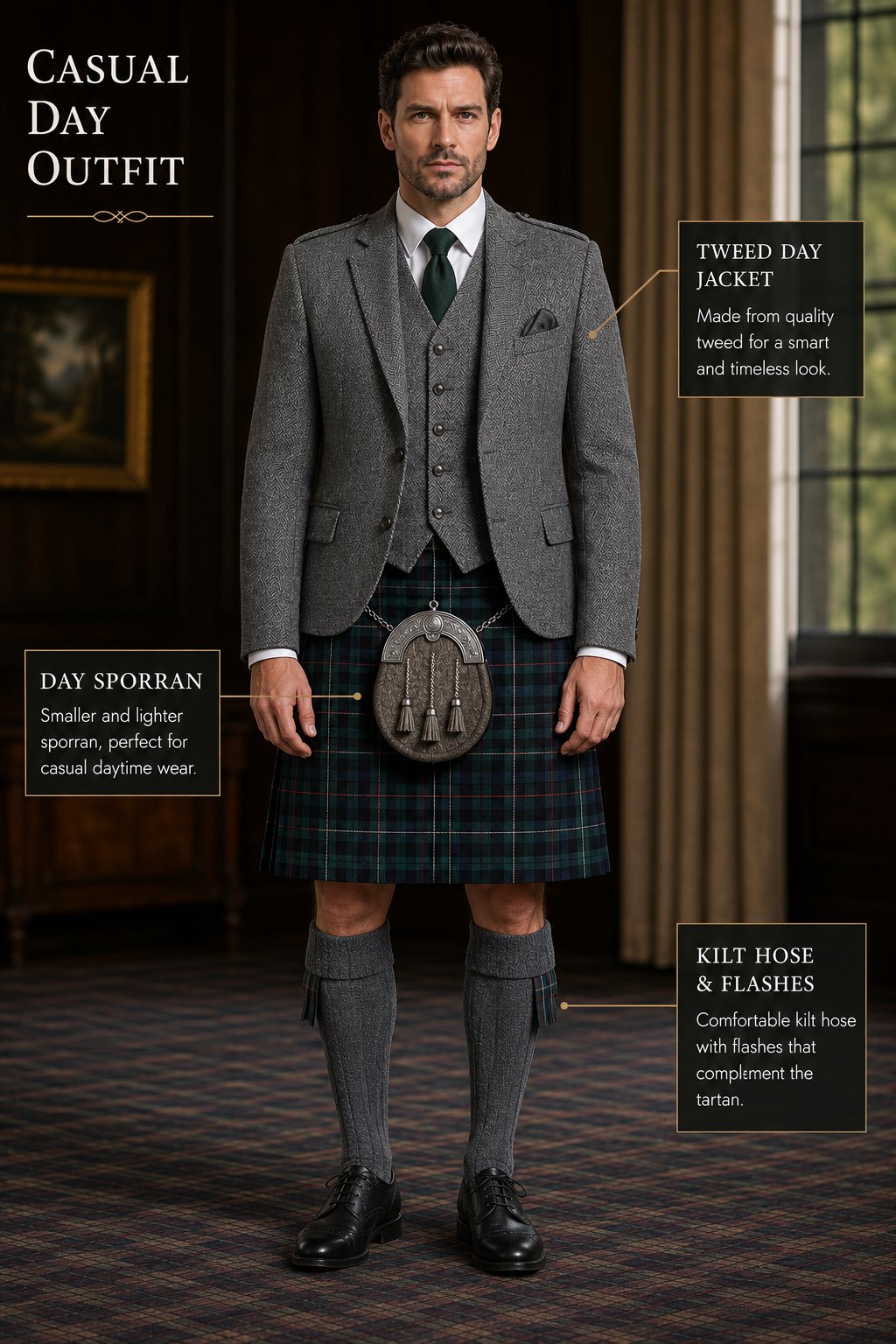
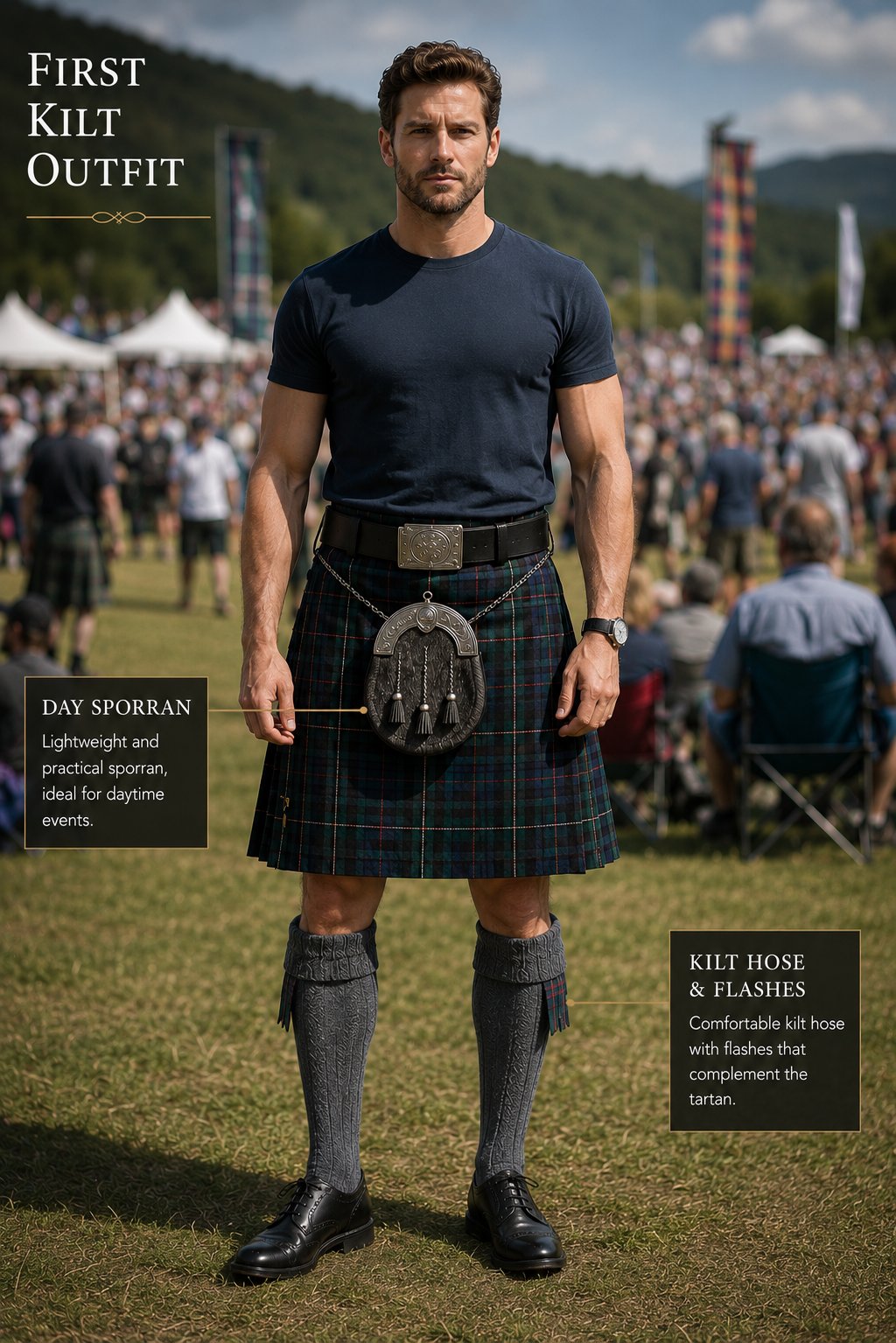
Our Oliphant kilts are made to your exact size in 5-yard and 8-yard heavyweight cloth. Build a complete outfit with a Prince Charlie or tweed jacket, sporran and accessories.
v.
Oliphant Tartan for Pipe Bands & Groups
Mark the occasion in Oliphant tartan — from formal weddings to casual ceilidhs, there are pieces to suit every guest and every budget.
vi.
Oliphant Tartan Fabric by the Metre
Oliphant tartan material is available by the metre in several weights. Order a swatch to confirm the shade, then buy the length you need for your own project.

Clan Motto
A tout pouvoir (Provide for all)
Heritage & Identity
Who Wears Oliphant Tartan Tartan?
Worn by Oliphant descendants globally, sept families including Ollivant and Elephint bearers, Scottish regiment veterans, and Highland heritage enthusiasts across the United States, Canada, and Britain.
Associated Names
Ollivant
Elephint
Olifant
Oliphant of Gask
Oliphant of Aberdalgie
Oliphant of Bachilton
Oliphant of Condie
Oliphant of Newton
Oliphant of Rossie
Military Heritage
Associated Regiments
Oliphant warriors distinguished themselves in Highland regiments, Jacobite campaigns, and British colonial forces, serving with particular honor in Canadian frontier conflicts and Indian military expeditions across the Empire.
Black Watch (Royal Highland Regiment)
Scots Guards
Gordon Highlanders
Queen's Own Cameron Highlanders (Canada)
Nova Scotia Highlanders (Canada)
Royal Scots Fusiliers
Shop Oliphant Tartan Products
Explore authentic Oliphant clan merchandise including Highland kilts, tartan accessories, clan badges, ceremonial sashes, dress sporrans, and heritage items crafted for descendants across America, Canada, and Scotland.
All Categories
All Styles
All Products
All Prices
Under $50
$50 - $100
$100 - $200
$200 - $500
$500+
Associated Tartans
Your Selected Tartan
Other Associated Tartans
Oliphant Tartan Tartans
0 Variations
Each tartan can feature several variations, with the most common being Ancient, Modern, Weathered, Hunting and Dress.
Loading tartans…
Ancient Tartan
Before 1860, all fabric dyes came from nature — plants, berries, bark, and insects. The colours they produced were softer and more muted than what we're used to today: think mossy greens, dusty sky blues, and reds with a warm, orangey tone. A lot of people actually prefer Ancient tartans for this reason — the gentler contrasts let the pattern breathe and stand out in a way that bolder colours sometimes don't. Worth knowing: the pattern itself, called the sett, is exactly the same across all variations of a tartan. It's only the colours that change.
Modern Tartan
Modern tartans came about after 1860, when chemical dyes replaced natural ones. The difference is pretty striking. Those soft, earthy greens became deep bottle green. Pale blues turned into rich navy. Reds went from warm and muted to full-on scarlet. If you're after something bold and vivid, Modern is usually the one to go for. It's the version most people picture when they think of a classic tartan.
Weathered Tartan
Weathered tartans take their inspiration from what happens to fabric left out in the elements — faded by sun, softened by rain, worn in by time. The colours shift towards olive greens, warm browns, and very pale blues, with reds that fade down to something close to a dusty pink. It's a more rustic, lived-in look, and honestly a really beautiful one. If you want something that feels a little more understated and natural, Weathered is worth a look.
Hunting Tartan
Hunting tartans are essentially the camouflage version of a clan's tartan — greens and browns brought forward so the wearer could move through the landscape without standing out. Not every clan has one, and that's by design. If a tartan is already mostly green or brown (like the Black Watch or Gunn), there's no need to adapt it. But a tartan like the Fraser, which is predominantly red, would make someone very easy to spot in the field — so a Hunting version makes a lot of sense for clans like that.
Dress Tartan
Dress tartans were made for the big occasions — Highland games, celebrations, and traditional dance. The pattern stays the same, but the main colour is swapped out for white, or extra white is woven in to give it a lighter, more formal feel. As you'd expect from the Scots, the rules get bent every now and then — yellow has been used instead of white in some cases, which is exactly how the famously bold MacLeod Dress Modern and Barclay Dress Modern came to be.
The Oliphant Tartan Story
Four centuries of history woven into every thread
Norman Origins
The Oliphant clan's Scottish story begins with Sir David de Oliphant, who arrived from Northumberland during King David I's reign in the 12th century. Granted extensive lands in Roxburghshire, the family quickly established themselves among Scotland's premier noble houses. The Oliphants became hereditary justiciars and sheriffs, wielding significant judicial authority across the Scottish Borders. Their coat of arms featuring three crescents reflected their status as royal officials, while their motto 'Tout Pourvoir' demonstrated their commitment to providing complete service to the Scottish crown throughout the medieval period.
Royal Service
During the 13th and 14th centuries, the Oliphants expanded their influence through strategic marriages and unwavering loyalty to Scottish independence. Sir William Oliphant of Aberdalgie became one of Scotland's most celebrated heroes, defending Stirling Castle against Edward I's siege in 1304. His courageous resistance earned him imprisonment in the Tower of London but immortalized the Oliphant name in Scottish history. The family acquired lands throughout Perthshire, including the strategic castle of Aberdalgie, establishing multiple cadet branches that would serve Scottish royalty for centuries while maintaining their reputation as formidable warriors.
Where does the name Oliphant Tartan come from?
Oliphant derives from the Old French 'olifant' meaning elephant, originally referring to ivory hunting horns carved from elephant tusks used by medieval nobles. The name arrived in Scotland with Sir David de Oliphant in the 12th century, who received lands from King David I. This Norman-French surname reflects the family's noble status as royal huntsmen and courtiers in medieval Scotland's feudal system.
Highland Traditions
The Oliphants demonstrated fierce loyalty to the Stewart cause throughout the Jacobite uprisings, with clan members fighting at Killiecrankie in 1689 and Culloden in 1746. Laurence Oliphant of Gask became a prominent Jacobite supporter, sheltering Prince Charles Edward Stuart and organizing Highland regiment support. Following Culloden's defeat, many Oliphants faced persecution and exile, leading to significant emigration to North America. Despite these hardships, the clan maintained their Highland traditions and military prowess, serving in British colonial forces while preserving their distinctive Scottish identity across the expanding Empire.
Imperial Service
Throughout the 18th and 19th centuries, Oliphants distinguished themselves in British military service across India, Canada, and Australia. Notable clan members included General Sir Anthony Oliphant, who commanded forces during the Napoleonic Wars, and various Oliphant officers who served in Highland regiments throughout the Empire. The family produced acclaimed authors, including Margaret Oliphant, one of Victorian Britain's most prolific writers. Meanwhile, Oliphant emigrants established thriving communities in Nova Scotia, Ontario, and the American colonies, maintaining clan connections through Highland societies and cultural organizations that celebrated their ancient Scottish heritage.
The Oliphant tartan carries eight centuries of noble Scottish heritage, from royal court service to Highland military valor, woven into patterns cherished by descendants worldwide.
Featured Collections
Craftsmanship defined by tradition, designed for the modern era.