Here is the Wardlaw tartan shop in full — made-to-measure kilts, cloth by the metre, scarves, ties, sashes and gifts, ready to order and ship to your door.
ii.
Colourway Options for Wardlaw Tartan
Each Wardlaw item can be ordered in Modern, Ancient, Weathered or Dress colourways — from strong, vivid tones to soft, muted and formal finishes. Select your preference before checkout.
iii.
Wardlaw Tartan Material & Swatches
Buy Wardlaw tartan fabric by the metre in medium-weight and heavyweight pure new wool, plus poly-viscose for budget projects. Swatch samples let you check colour and weight first.
iv.
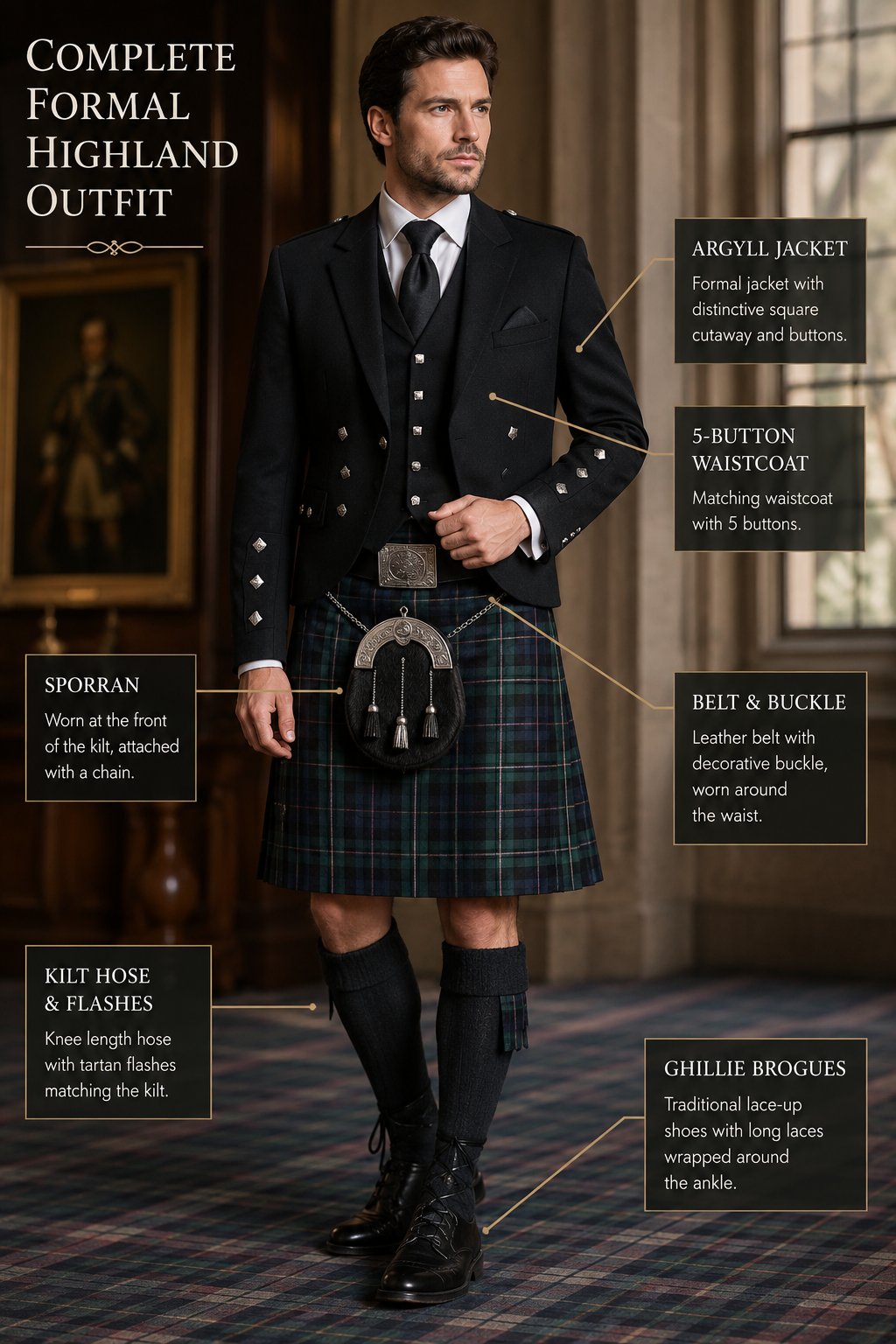
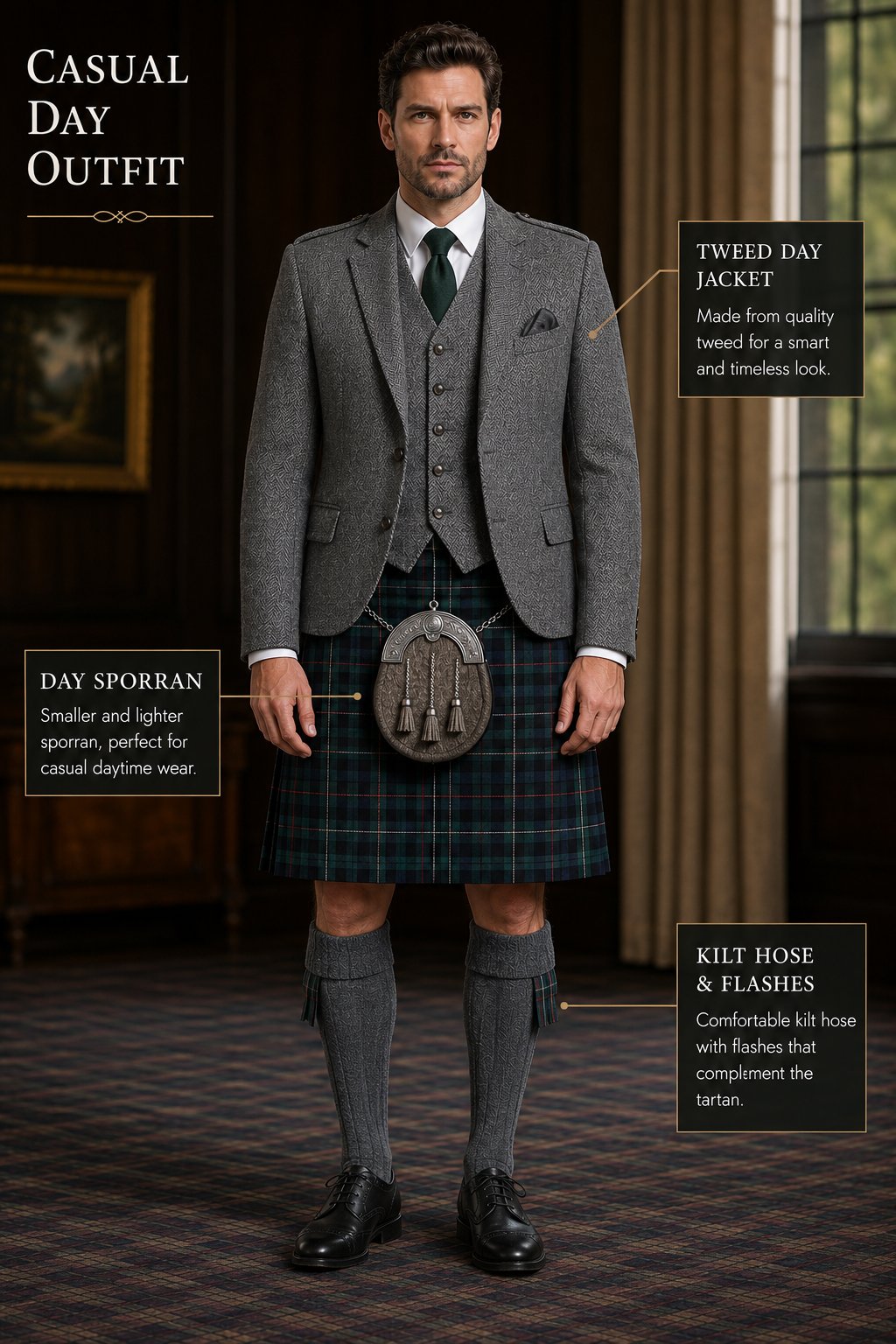
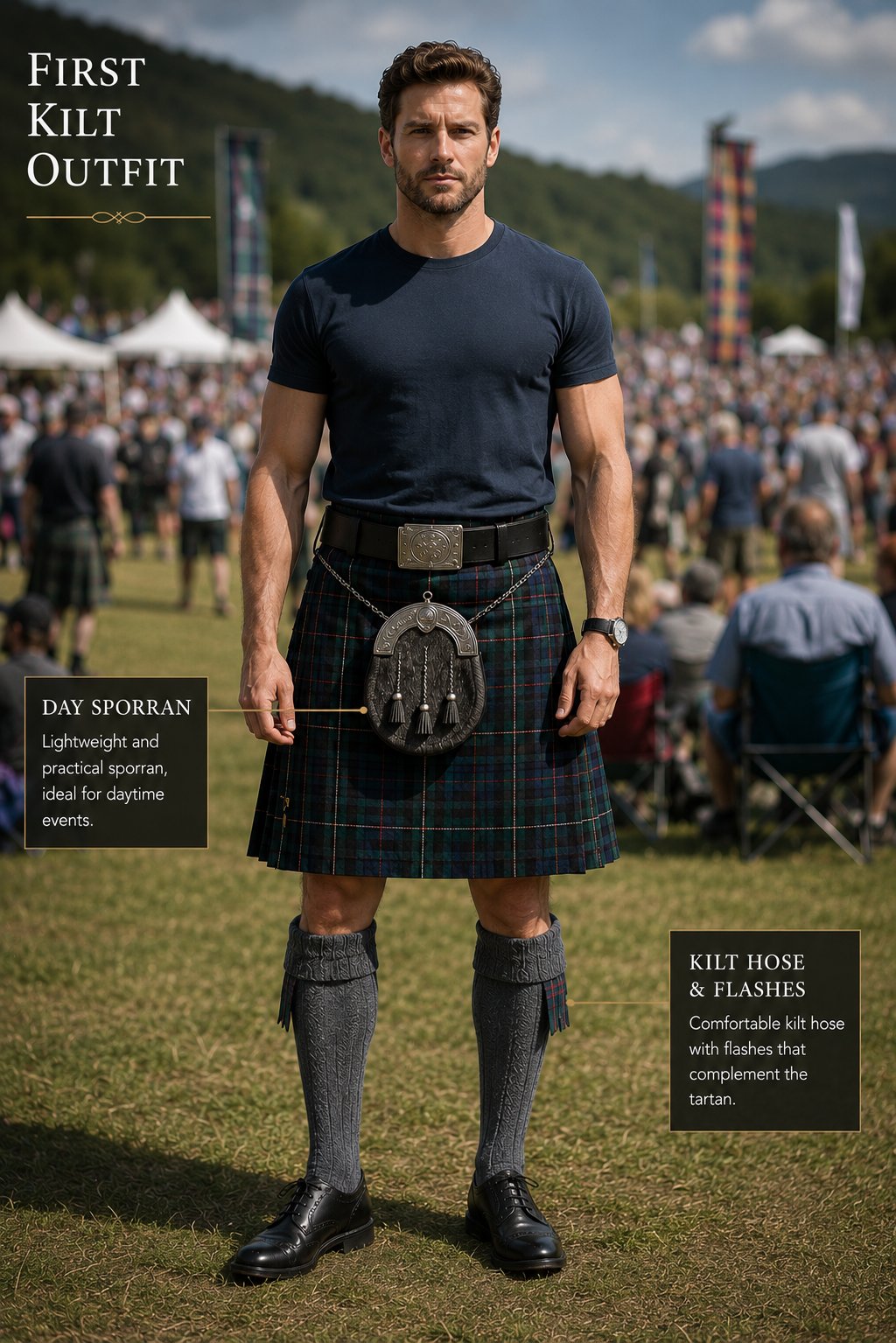
Wardlaw Tartan Kilts & Outfit Packages
Choose a Wardlaw kilt on its own or as part of a full outfit. Made-to-measure sizing means a clean fit for grooms, guests, dancers and pipers alike.
v.
Wardlaw Accessories — Scarves, Ties & Sashes
Finish the outfit with Wardlaw tartan accessories: lambswool scarves, ties and bow ties, ladies' sashes and shawls, flashes and ribbon. They also make easy gifts.
vi.
Wardlaw Tartan for Weddings & Events
Mark the occasion in Wardlaw tartan — from formal weddings to casual ceilidhs, there are pieces to suit every guest and every budget.

Clan Motto
Wardlaw ivermair! (Wardlaw evermore!)
Heritage & Identity
Who Wears Wardlaw Tartan Tartan?
Worn by Wardlaw descendants worldwide, sept families including Wardlaw-Ramsay branches, Scottish legal professionals, and Highland heritage enthusiasts throughout North America and Britain.
Associated Names
Wardlaw
Wardlaw-Ramsay
Wardlaws
Wardelaw
Wardlau
Warlaw
Wairlaw
Wardlawe
de Wardlaw
Werdlaw
Military Heritage
Associated Regiments
Wardlaw clan members served with distinction in Scottish legal regiments, university battalions, and professional corps throughout the British Empire, particularly excelling in administrative and judicial military roles.
Queen's Own Cameron Highlanders (Scotland)
Royal Scots Fusiliers (Scotland)
University and Public Schools Battalion (Britain)
Canadian Scottish Regiment (Canada)
Shop Wardlaw Tartan Products
Explore authentic Wardlaw clan merchandise including traditional Highland kilts, legal ceremonial robes, clan badges, tartan accessories, judicial ties, and heritage items for descendants across North America.
All Categories
All Styles
All Products
All Prices
Under $50
$50 - $100
$100 - $200
$200 - $500
$500+
Associated Tartans
Your Selected Tartan
Other Associated Tartans
Wardlaw Tartan Tartans
0 Variations
Each tartan can feature several variations, with the most common being Ancient, Modern, Weathered, Hunting and Dress.
Loading tartans…
Ancient Tartan
Before 1860, all fabric dyes came from nature — plants, berries, bark, and insects. The colours they produced were softer and more muted than what we're used to today: think mossy greens, dusty sky blues, and reds with a warm, orangey tone. A lot of people actually prefer Ancient tartans for this reason — the gentler contrasts let the pattern breathe and stand out in a way that bolder colours sometimes don't. Worth knowing: the pattern itself, called the sett, is exactly the same across all variations of a tartan. It's only the colours that change.
Modern Tartan
Modern tartans came about after 1860, when chemical dyes replaced natural ones. The difference is pretty striking. Those soft, earthy greens became deep bottle green. Pale blues turned into rich navy. Reds went from warm and muted to full-on scarlet. If you're after something bold and vivid, Modern is usually the one to go for. It's the version most people picture when they think of a classic tartan.
Weathered Tartan
Weathered tartans take their inspiration from what happens to fabric left out in the elements — faded by sun, softened by rain, worn in by time. The colours shift towards olive greens, warm browns, and very pale blues, with reds that fade down to something close to a dusty pink. It's a more rustic, lived-in look, and honestly a really beautiful one. If you want something that feels a little more understated and natural, Weathered is worth a look.
Hunting Tartan
Hunting tartans are essentially the camouflage version of a clan's tartan — greens and browns brought forward so the wearer could move through the landscape without standing out. Not every clan has one, and that's by design. If a tartan is already mostly green or brown (like the Black Watch or Gunn), there's no need to adapt it. But a tartan like the Fraser, which is predominantly red, would make someone very easy to spot in the field — so a Hunting version makes a lot of sense for clans like that.
Dress Tartan
Dress tartans were made for the big occasions — Highland games, celebrations, and traditional dance. The pattern stays the same, but the main colour is swapped out for white, or extra white is woven in to give it a lighter, more formal feel. As you'd expect from the Scots, the rules get bent every now and then — yellow has been used instead of white in some cases, which is exactly how the famously bold MacLeod Dress Modern and Barclay Dress Modern came to be.
The Wardlaw Tartan Story
Four centuries of history woven into every thread
Legal Origins
The Wardlaw clan emerged in medieval Fife as hereditary keepers of Torry Castle, first documented in the 13th century when Henry de Wardlaw received lands from King Alexander III. The family established themselves as guardians of royal law, with their castle overlooking the Firth of Forth serving as both fortress and court of justice. Early Wardlaws wielded considerable legal authority, presiding over local disputes and maintaining royal justice throughout Fife. Their motto 'Candide et Secure' (Frankly and Safely) reflected their commitment to fair judgment and steadfast protection of legal principles in medieval Scotland's evolving judicial system.
University Leadership
During the 14th and 15th centuries, the Wardlaw clan achieved unprecedented influence through church leadership and educational pioneering. Cardinal Henry Wardlaw founded the University of St. Andrews in 1413, Scotland's first university, establishing the family's scholarly legacy. As Bishop of St. Andrews, he wielded both spiritual and temporal power, shaping Scottish religious and academic life during the nation's cultural renaissance. The Wardlaws became synonymous with learning and legal scholarship, producing generations of clerics, judges, and academics who influenced Scottish intellectual development throughout the medieval period.
Where does the name Wardlaw Tartan come from?
Wardlaw derives from Old Scots 'ward law' meaning 'guardian of the law' or 'keeper of justice.' The name originates from the ancient office of Wardlaw held by the family at Torry Castle in Fife, where they served as hereditary castle keepers and legal administrators. This occupational surname reflects Scotland's medieval legal system, where Wardlaws were entrusted with upholding royal law and castle defense throughout the kingdom's early judicial development.
Legal Adaptation
The 16th century brought religious upheaval that tested Wardlaw adaptability as Scotland embraced Protestant Reformation. While maintaining their legal traditions, the clan navigated changing religious landscapes, with family members serving both Catholic and Protestant causes. Sir Henry Wardlaw of Pitreavie emerged as a prominent legal figure, serving the Scottish crown during political turbulence. The family's legal expertise proved invaluable during constitutional crises, with Wardlaws serving as judges, advocates, and legal advisors who helped shape Scotland's evolving judicial system through religious and political transformation.
Professional Excellence
Throughout the 17th and 18th centuries, Wardlaws extended their legal expertise beyond Scotland, establishing themselves in colonial administration and emerging professional classes. Family members served as colonial judges in North America, legal advisors in India, and administrative officials throughout the British Empire. The clan's scholarly traditions flourished in new universities across Canada and America, where Wardlaw descendants became professors, judges, and legal practitioners. Their reputation for judicial integrity and scholarly excellence made them sought-after legal professionals in expanding British territories and emerging democratic institutions.
The Wardlaw tartan honors centuries of Scottish legal tradition, from ancient Fife castles to modern courtrooms, woven in patterns that reflect unwavering justice.
Featured Collections
Craftsmanship defined by tradition, designed for the modern era.