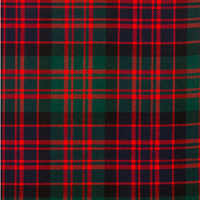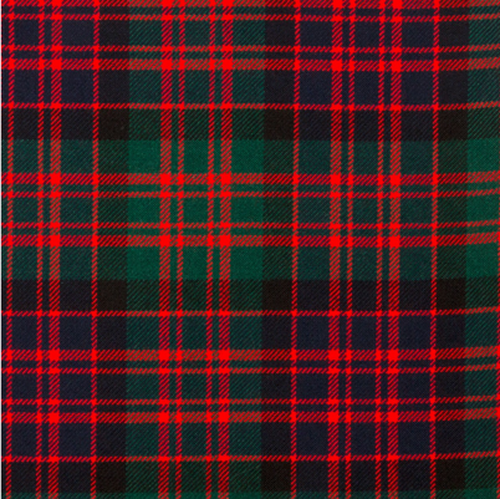
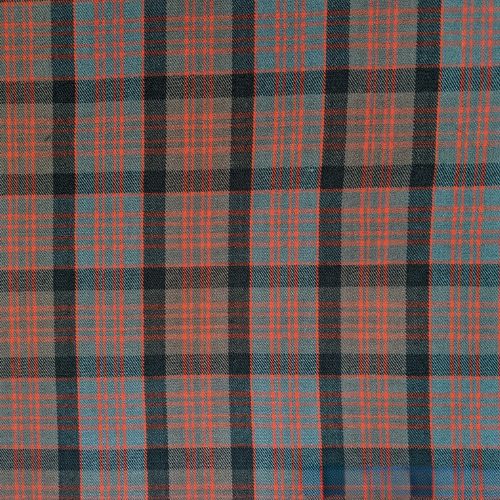
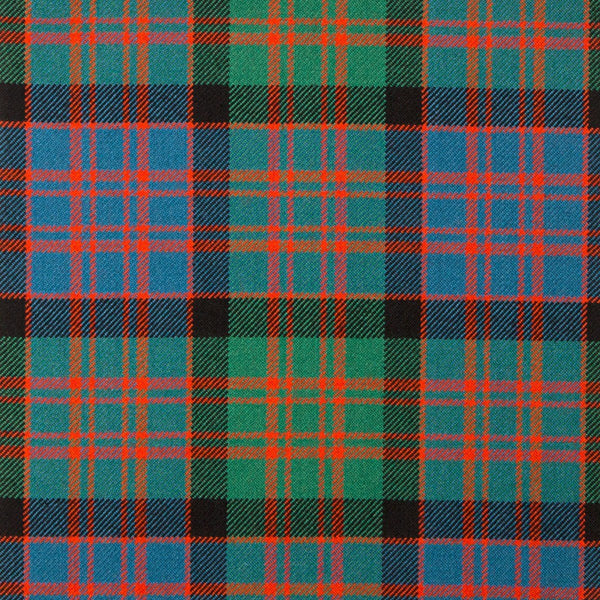
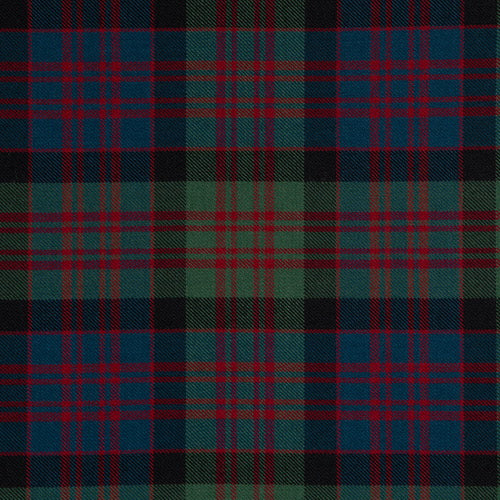
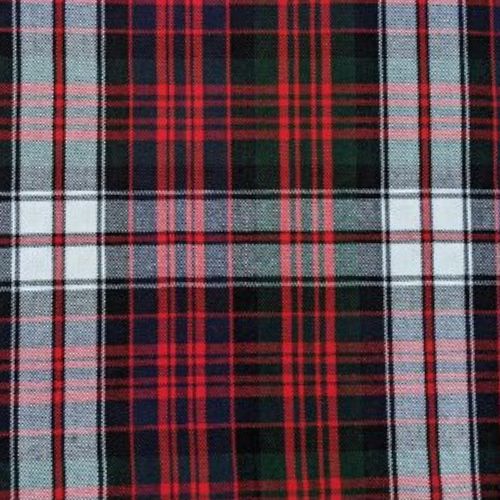
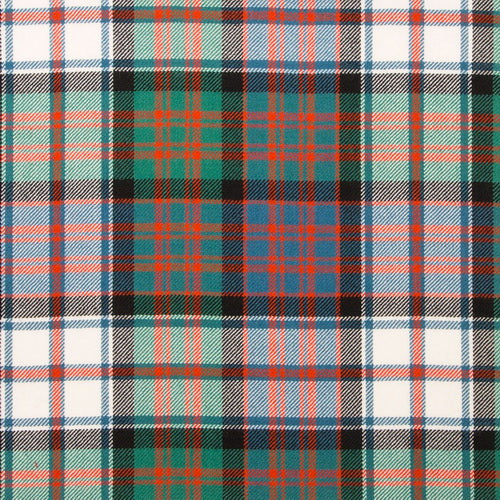
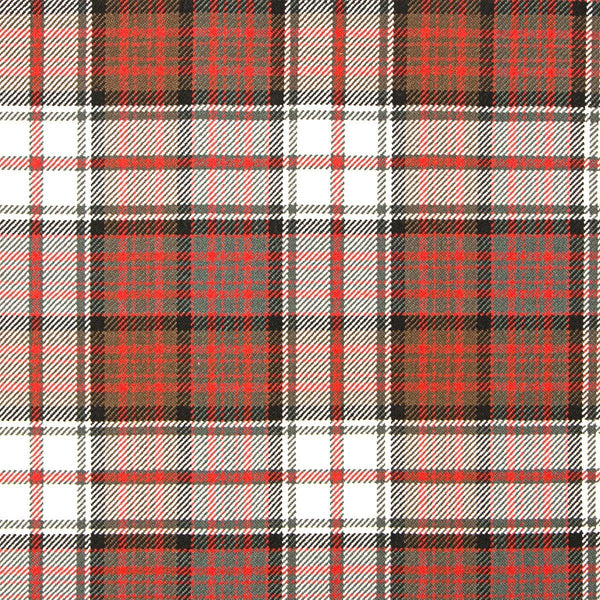
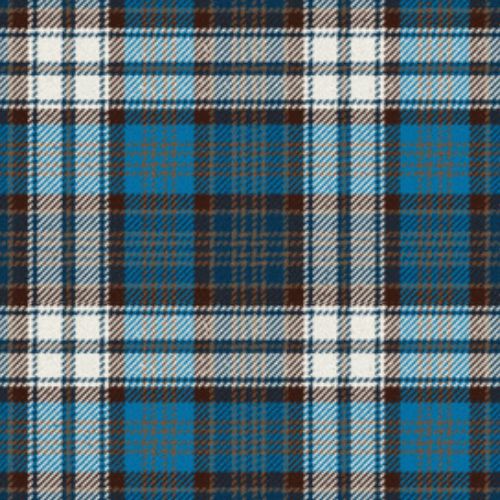
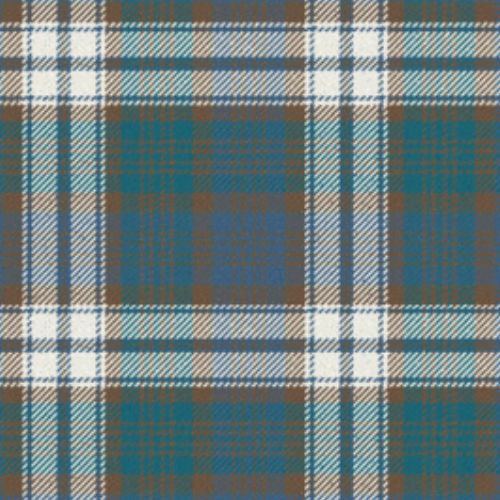
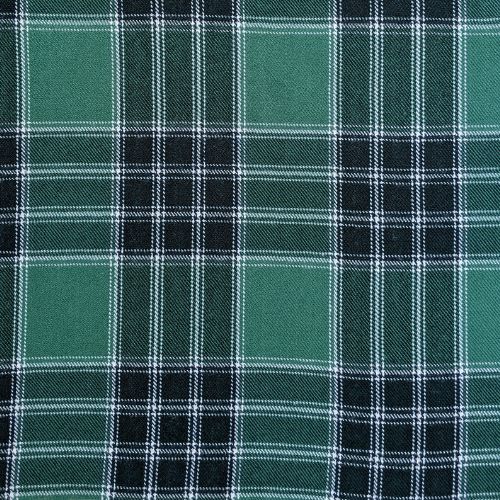
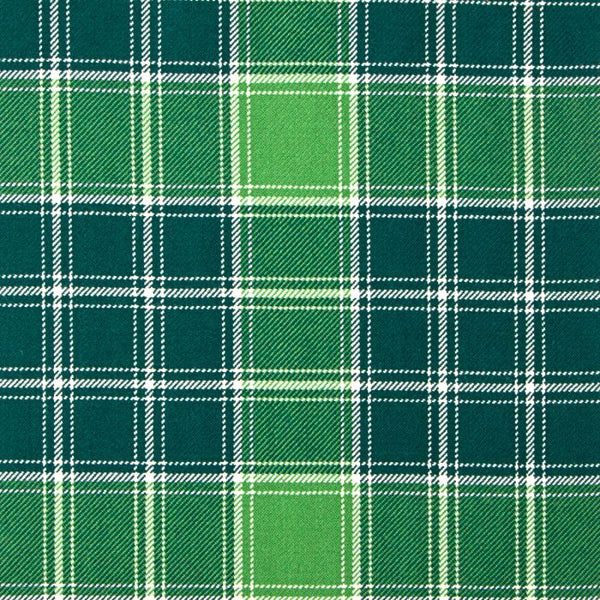
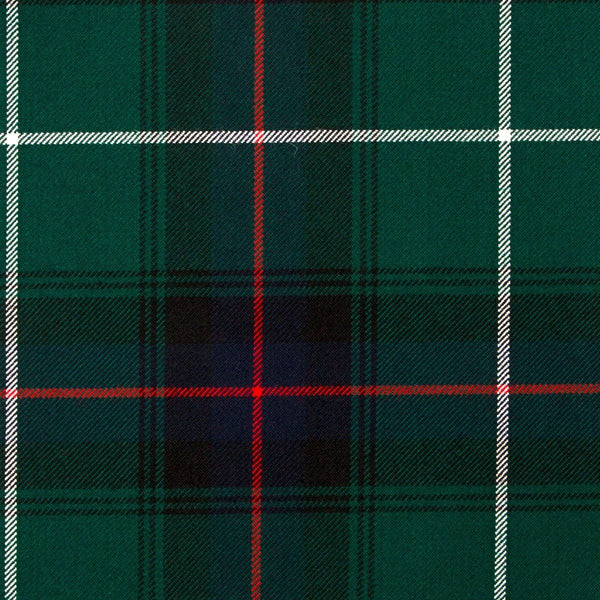
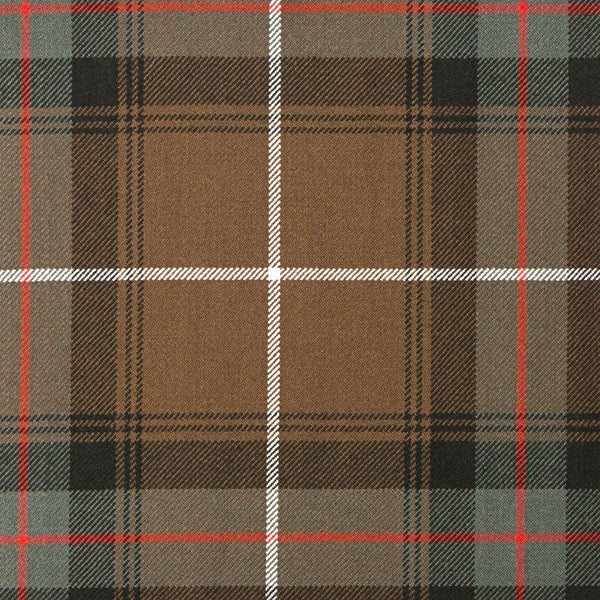
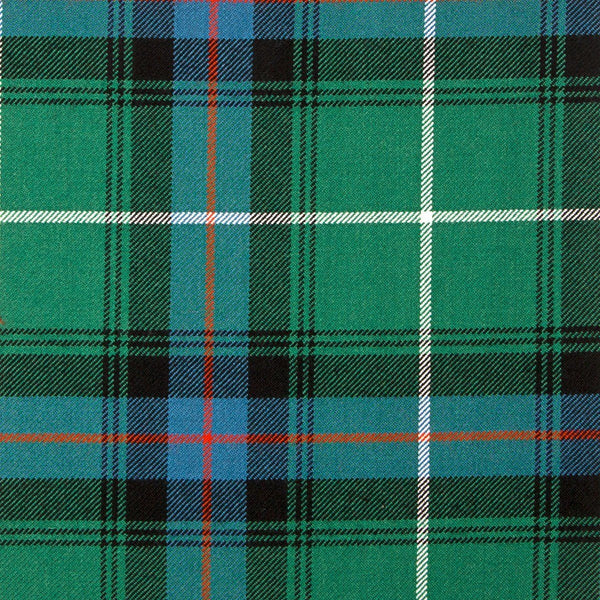
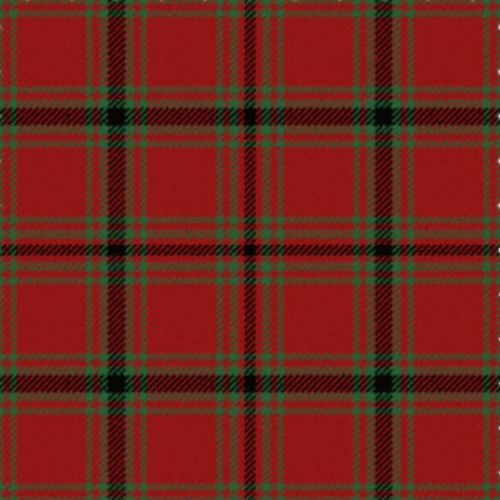
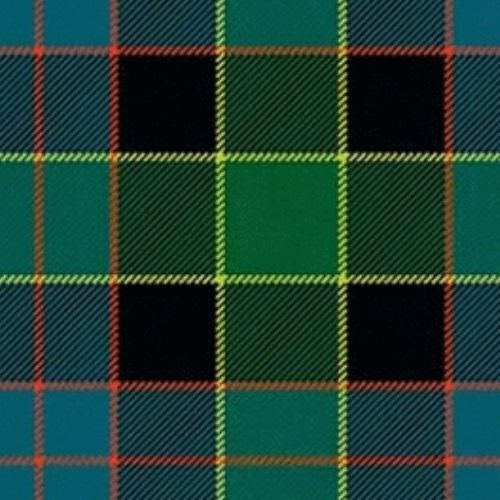
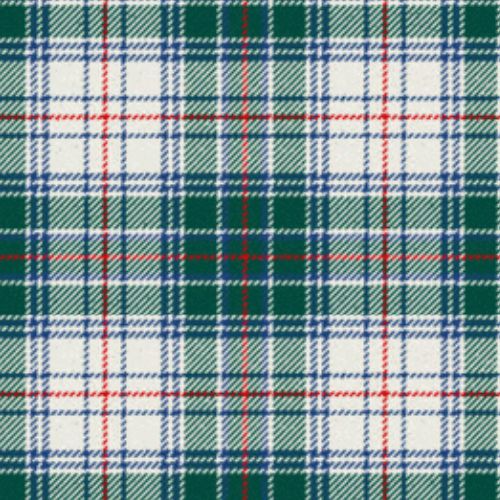
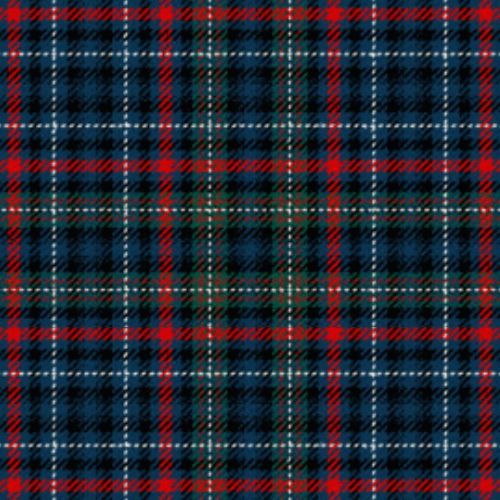
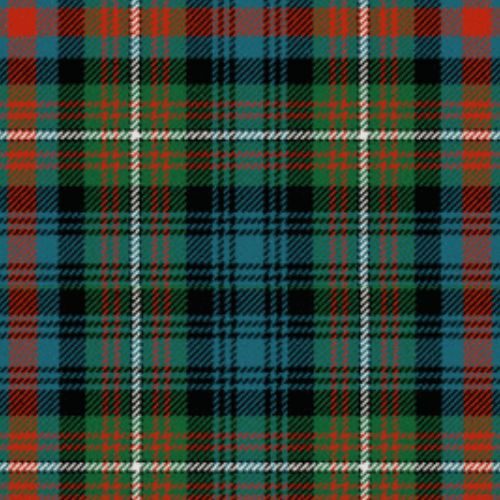
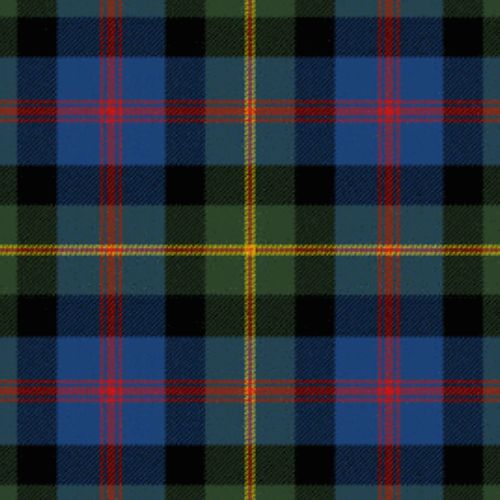
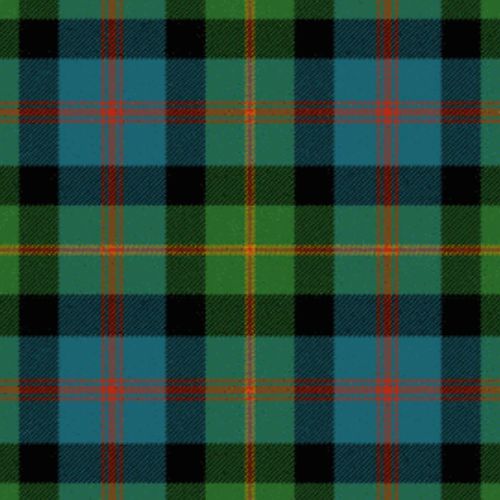
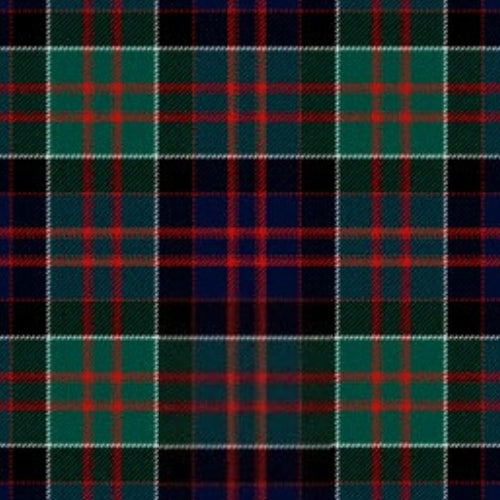
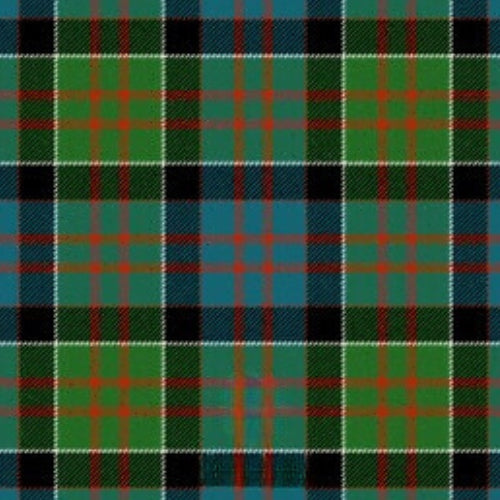
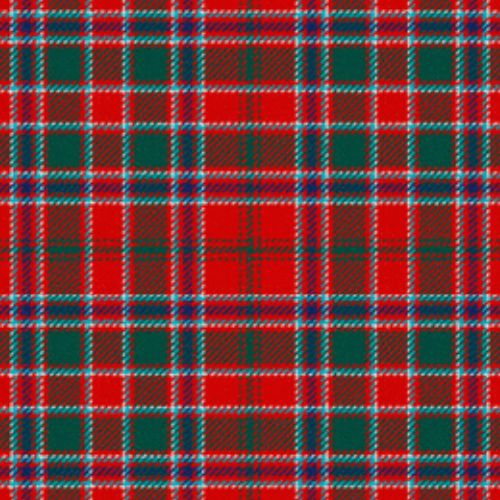
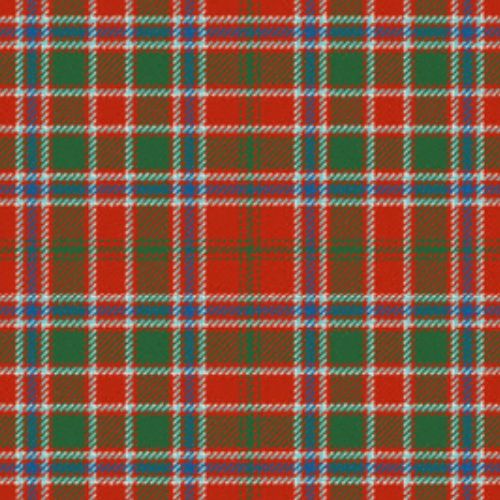
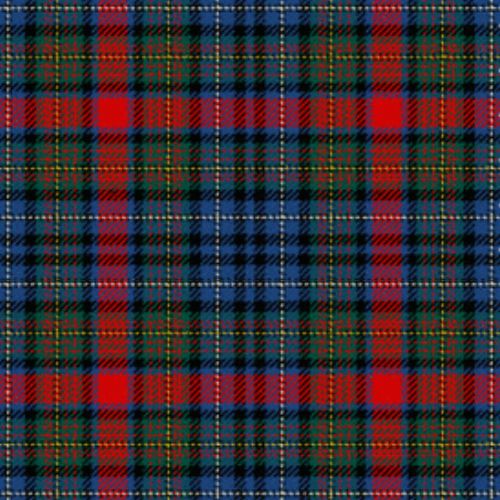
Clan MacDonald — Children of Donald
Origins · Somerled and the Lords of the Isles
The MacDonald story does not begin with a Donald. It begins, in the mid-twelfth century, with Somerled mac Gillebrigte — a half-Norse, half-Gaelic warlord who carved out a sea-kingdom along Scotland's western coast and called himself Rí Innse Gall, King of the Hebrides. Somerled died in 1164 fighting the Stewarts at the Battle of Renfrew; his grandson, Donald of Islay, gave the clan its name. From Donald descend every MacDonald, Macdonell, McDonnell, and MacDonald-sept on earth — a lineage of, by the most recent count, perhaps two million living people.
For three centuries the chiefs of Clan Donald held the title Lord of the Isles — a sovereign authority over the entire western seaboard of Scotland, from the Kintyre peninsula north through Skye and out to the Outer Hebrides. The seat was Finlaggan, a fortified island in a freshwater loch on Islay. From there the Lords of the Isles ran their own parliament (the Council of the Isles), maintained their own galley-fleet of birlinns, and treated with the kings of Scotland, England, and France as equals. At its height in the fifteenth century, Clan Donald commanded an army larger than most European kingdoms could muster.
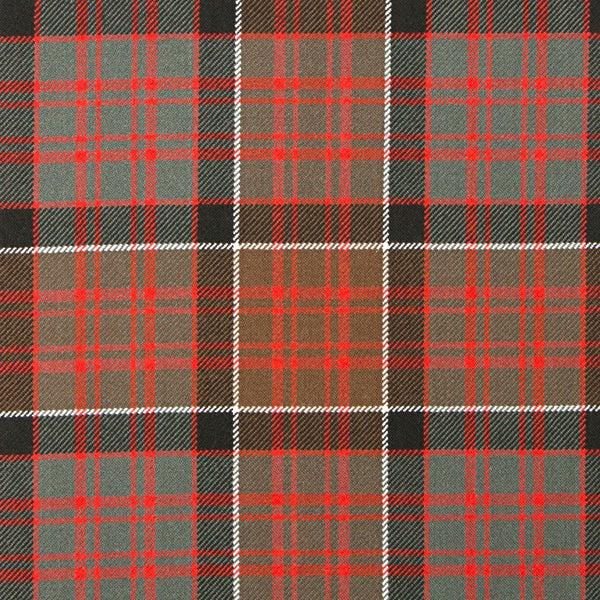
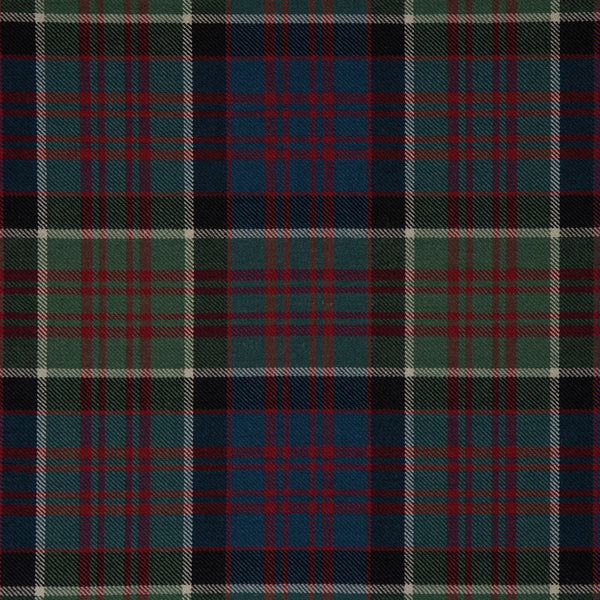
The Lordship of the Isles was the only Gaelic political authority ever to stand on equal terms with the Scottish Crown. When it fell in 1493, what survived was the kinship — and the cloth.
— from our heritage research files
The Fall and the Branches
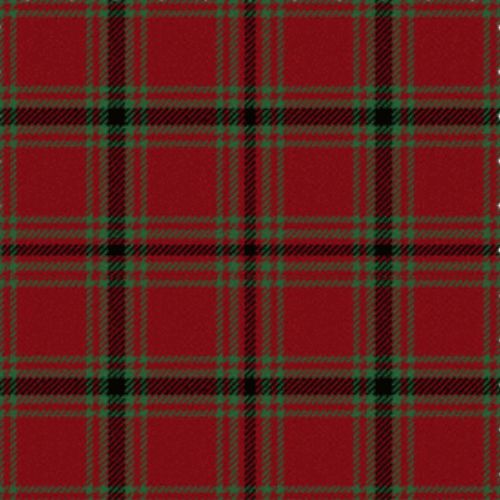
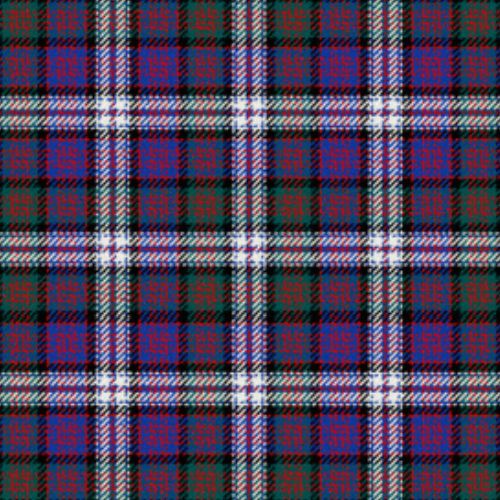
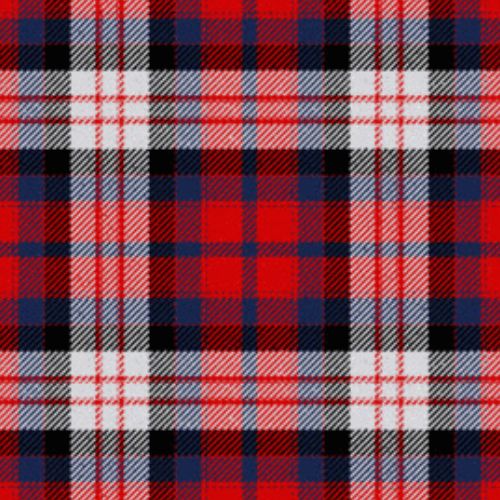
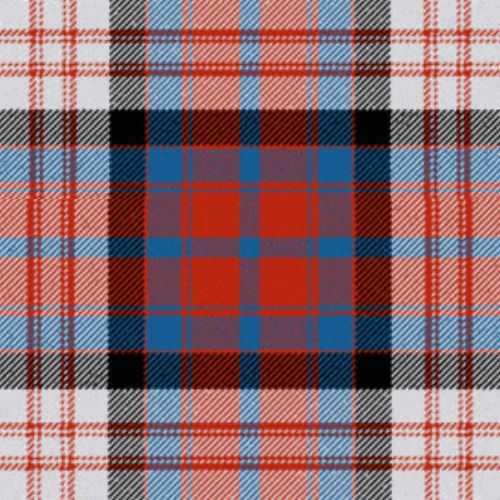
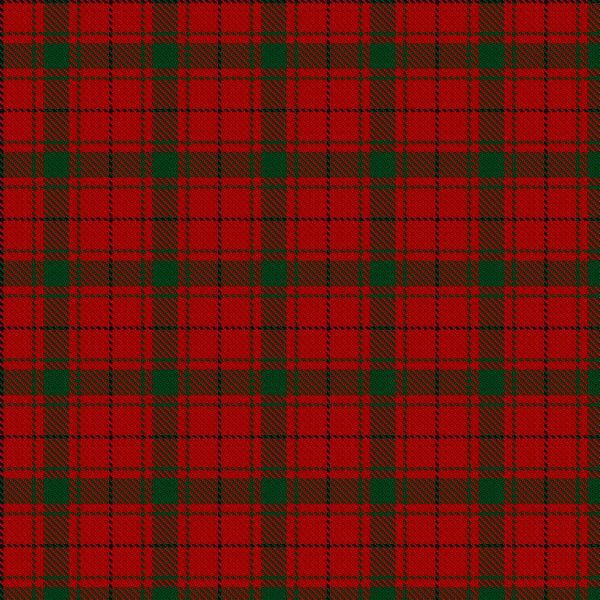
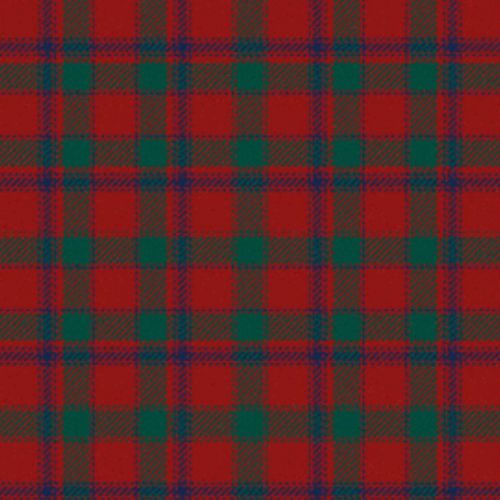
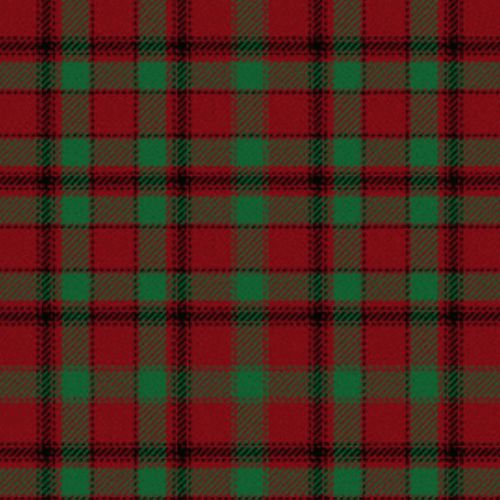
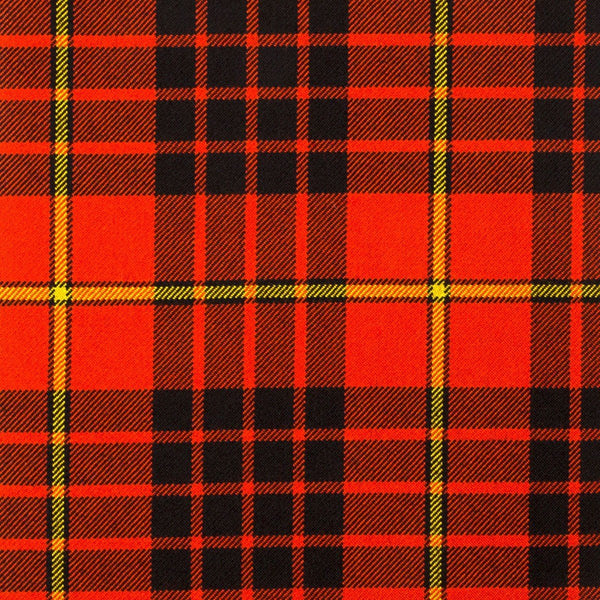
The Lordship was forfeited to King James IV of Scotland in 1493 after the last Lord, John of Islay, was accused of treasonable dealings with the English. The clan did not dissolve — it splintered. The major branches that emerged in the centuries after, each with its own chief, its own seat, and eventually its own tartan, are MacDonald of Sleat (Skye, the senior surviving line), MacDonald of Clanranald (the Outer Hebrides and Moidart), MacDonald of Glencoe (whose massacre in 1692 became one of the most notorious episodes in Scottish history), MacDonell of Glengarry, MacDonell of Keppoch, and MacDonald of Ardnamurchan. Many Americans whose families trace to MacDonald can name a branch; many cannot. Both are normal.
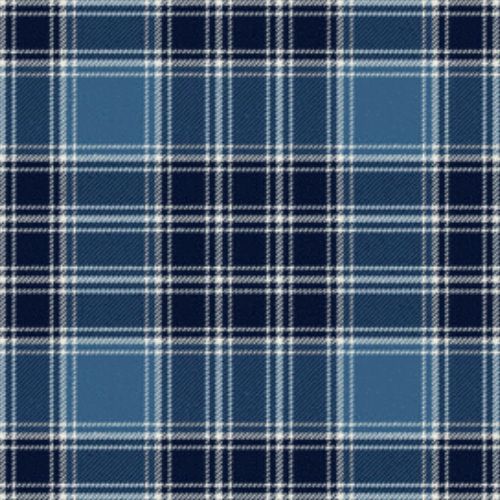
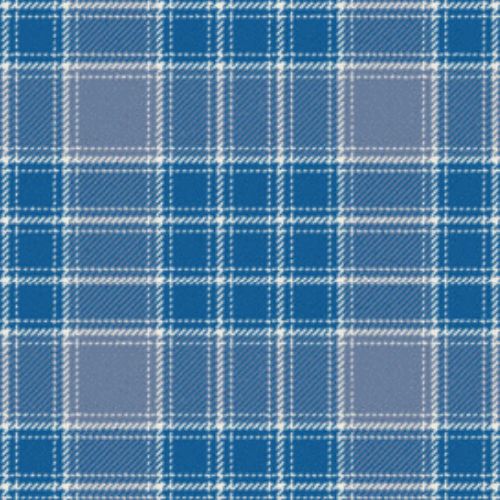
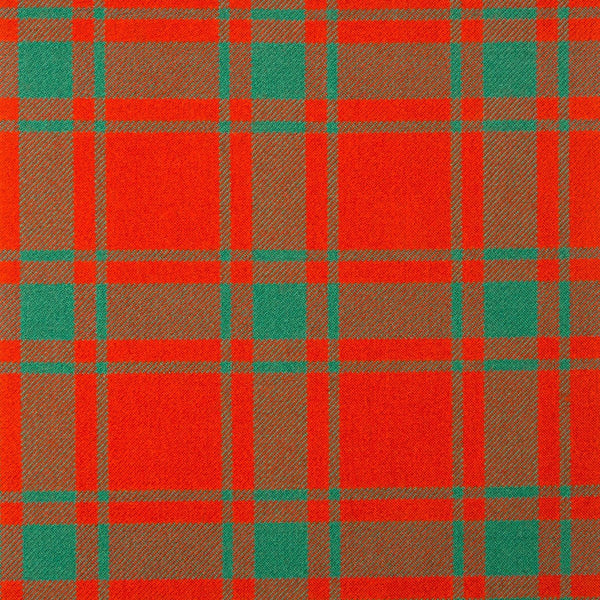
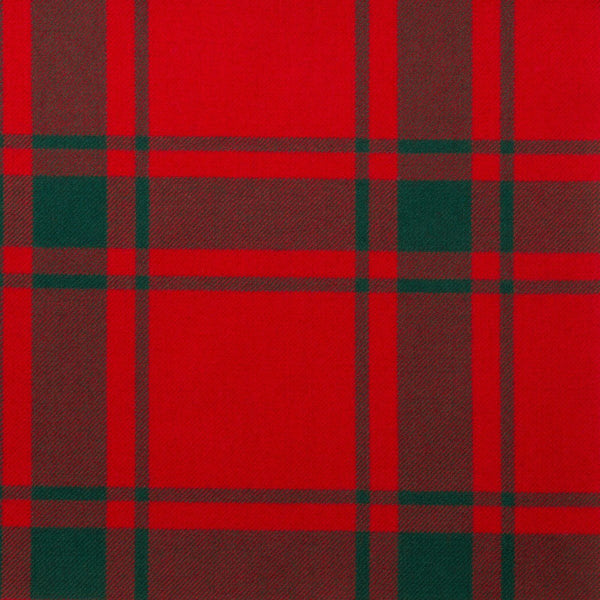
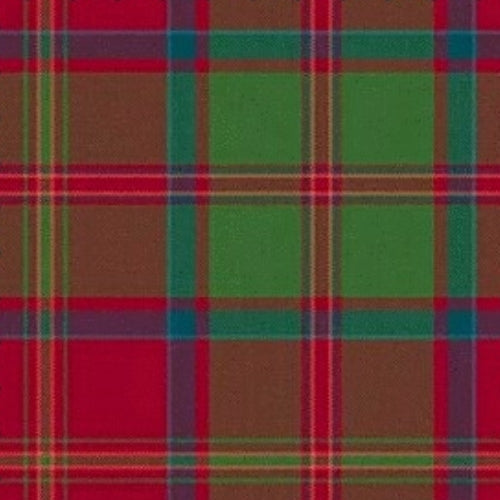
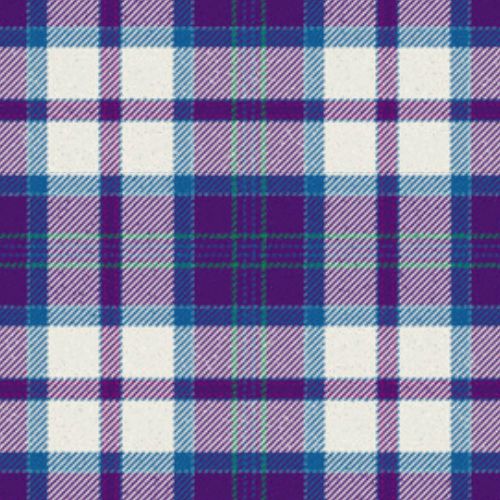
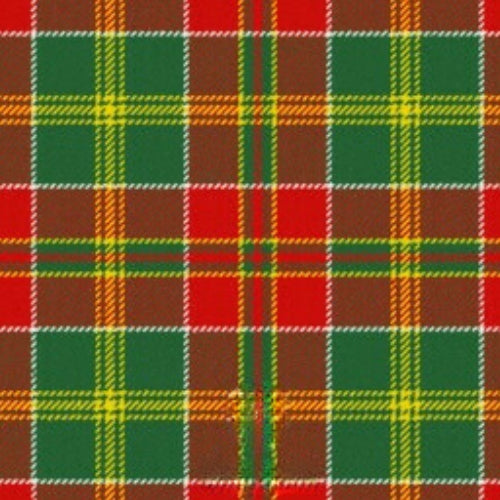
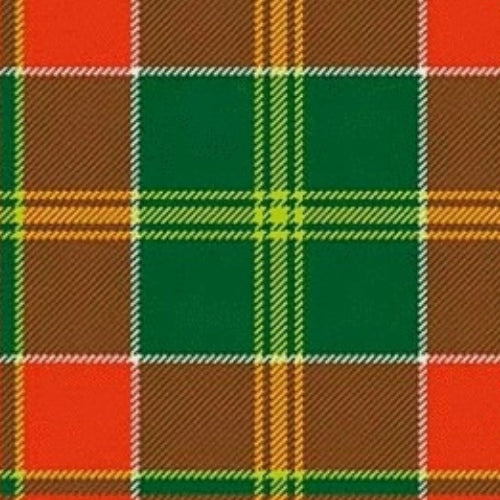
The clan fought, mostly on the Jacobite side, through the 1689, 1715, 1719, and 1745 risings. After Culloden in 1746, Highland tartan was banned for thirty-six years. MacDonalds kept the cloth in chests, wore it under other clothes, and waited. The ban was lifted in 1782; within a generation, Highland dress had become royal fashion.
The Clan Today
The current chief is Godfrey James Macdonald, 8th Baron Macdonald of Sleat, recognised by the Court of the Lord Lyon as High Chief of Clan Donald. Clan Donald is the largest of all Scottish clans, with active societies in Scotland, the United States (Clan Donald USA), Canada, Australia, and New Zealand. The clan operates Armadale Castle on Skye as the Clan Donald Centre, a museum and study centre. Members number, by various estimates, somewhere between one and two million worldwide. If your surname is MacDonald, McDonald, Macdonald, M'Donald, McDonnell, or any of the thirteen recognised sept names, you belong to this lineage.
Sources:The Clan Donaldby Rev. A. MacDonald and Rev. A. MacDonald (3 vols, 1896–1904) ·The Lordship of the Islesby Norman Macdougall (1989) ·Scottish Register of Tartans·Court of the Lord Lyon·Clan Donald USA