Practice Chanters for Bagpipes
About this collection
Practice Chanters for Bagpipes
Most popular this season
Bestselling Practice Chanters for Bagpipes
The six styles our customers order most — every one made-to-measure to fit you exactly.
Shop by occasion
Find your Highland dress
Every kilt is hand-pleated and made to your exact measurements. Browse by occasion, or start with your clan tartan above.
Common questions
Frequently asked questions
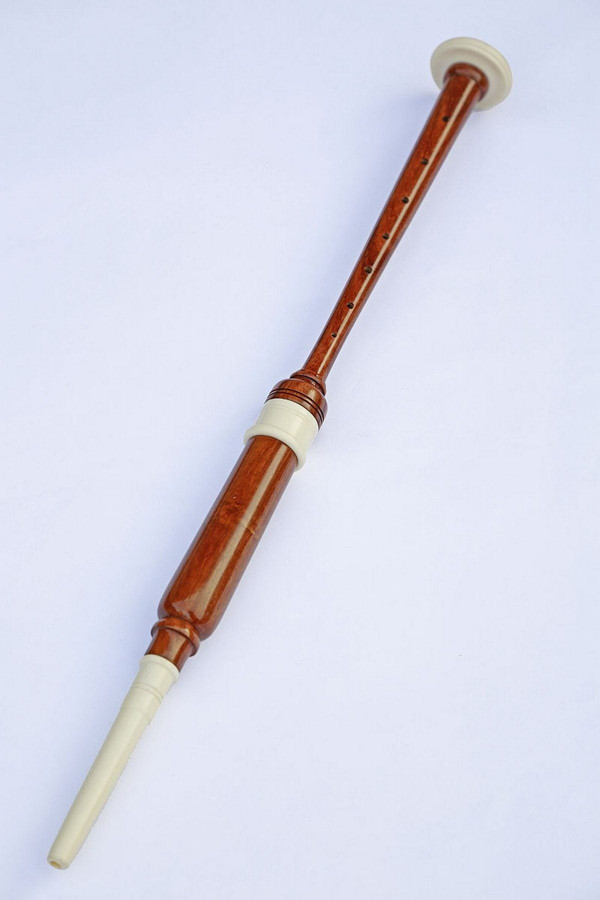
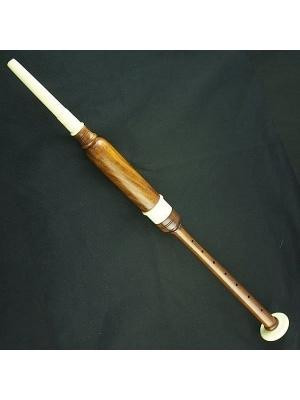
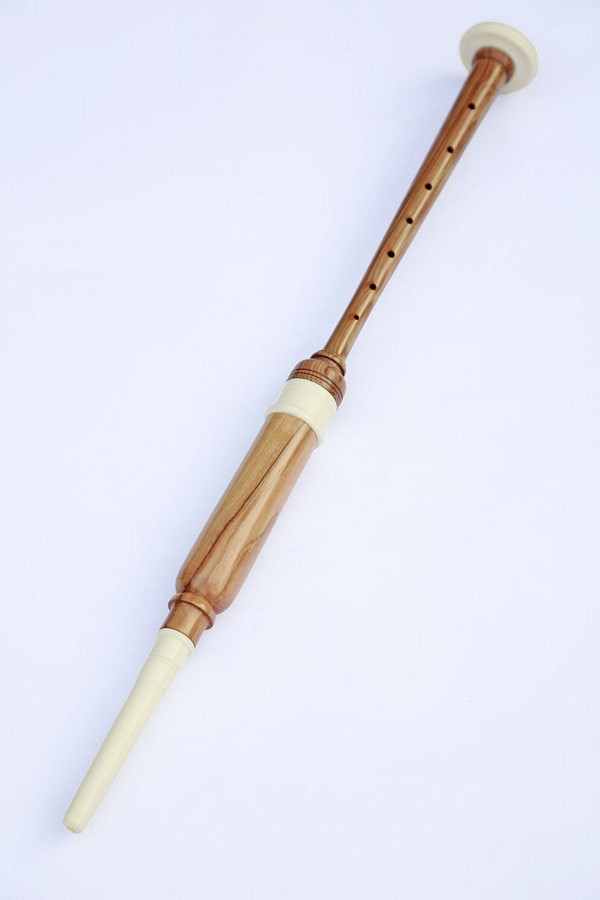
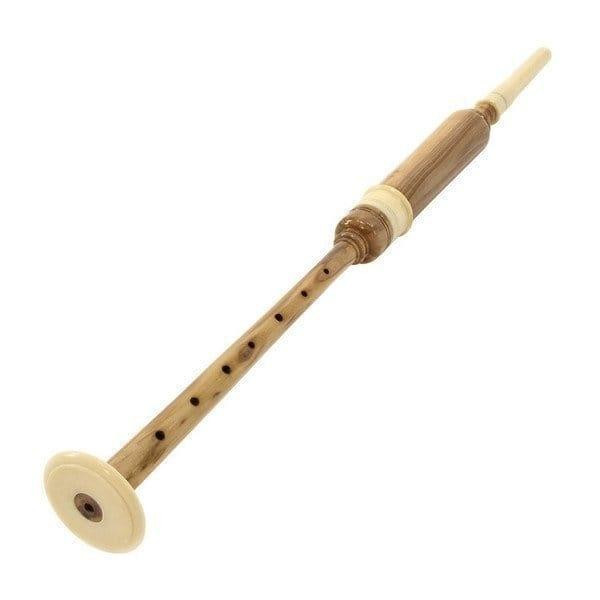
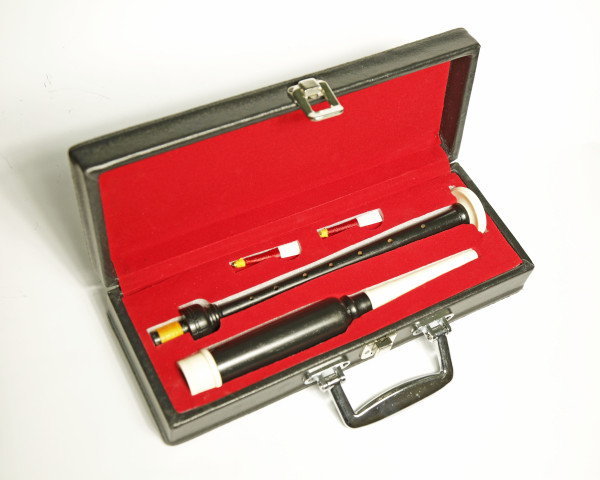
A practice chanter is a smaller, quieter version of the bagpipe chanter, used to practice finger techniques and tunes without the full volume of a bagpipe. Made from wood or plastic, it helps both beginners and experienced pipers refine their skills, offering a more controlled environment to learn finger placement, timing, and rhythm before playing the full instrument.
The main difference between long and short practice chanters lies in their size and tone. A long practice chanter typically resembles the full-sized bagpipe chanter, offering a more accurate representation of the bagpipe’s finger spacing, pitch, and tone. It’s ideal for those who want to closely replicate bagpipe playing. A short practice chanter is more compact, with a slightly higher pitch and a more portable design, making it suitable for quick practice or beginners. Both serve the purpose of honing technique, but the long chanter offers a more authentic practice experience.
A practice chanter is made up of several key components that work together to help players practice their bagpipe technique. The chanter is the main body of the instrument, featuring finger holes for playing notes. At the top, the reed creates sound when air is blown through it, and the top cap holds the reed securely in place. The blowpipe allows the player to blow air into the chanter. These parts combine to replicate the sound and feel of playing the bagpipes, providing an effective way to practice before using the full instrument.
No, practice chanters are not as loud as the full bagpipes. They are designed to be much quieter, allowing players to practice their finger techniques and tunes without creating the high volume typical of bagpipes. This makes them ideal for indoor use, as they provide a controlled, less disruptive environment for learning. The sound produced is softer, enabling pipers to practice without the intensity of the full instrument.
The size of your practice chanter depends on your experience and comfort. Standard-sized chanters are ideal for adults and experienced players, offering a more authentic practice experience. Shorter chanters are better for beginners or younger players, as they are more portable and slightly higher in pitch. Choose the size that feels most comfortable for your practice needs.
The time it takes to learn to play the practice chanter depends on your dedication, prior experience, and practice frequency. For beginners, it typically takes a few weeks to a couple of months to become comfortable with finger placement, tuning, and learning basic scales. Consistent practice and guidance from an instructor can help accelerate progress. Mastery of the practice chanter may take longer, especially for complex tunes, but steady practice will lead to steady improvement.
Learn before you buy
Buying guides & Highland-dress resources
Behind the bench
Tour our workshop in Sialkot
Three minutes inside one of our Pakistan workshops — see hand-pleating, fabric cutting, and the final fit-check every kilt passes before it ships. Customers and partners are welcome to visit in person.