

 Save 15%
-15%
Save 15%
-15%
Trotter Tartan
Everything in Trotter tartan — kilts, outfits, fabric and accessories in Ancient, Modern, Weathered and Dress colourways, made to order and shipped around the world.
Worsted acrylic · Machine Washable
200+ products
from
—
Right for you if
you want a formal Highland kilt that reads correctly at any event — weddings, Burns Nights, regimental dinners. The canonical, safest choice.
Fabric per Yard
Minimum order is 10 yards.
+
Full specification
Material
Dispatch
Community
No tartan variants found for this collection.
Each Tartan metaobject needs choose_collection set to Trotter.
Step 2 · Choose your product
Products in Trotter
Every item below is woven in the variant you selected above. Switch the variant at any time — the catalogue rebuilds in place.
Save 15%
-15%
 Save 20%
-20%
Save 20%
-20%
Traditional Kilt (9 Yards)
 Save 16%
-16%
Save 16%
-16%
Great Kilt
 Save 21%
-21%
Save 21%
-21%
Tartan Precision Pleated Skirt
 Save 22%
-22%
Save 22%
-22%
Tartan Full Pleat Skirt
 Save 17%
-17%
Save 17%
-17%
High-Waisted Tartan Pencil Skirt
 Save 15%
-15%
Save 15%
-15%
Striped Tartan Panel Pleated Skirt
 Save 12%
-12%
Save 12%
-12%
Tartan Blanket & Throw
 Save 11%
-11%
Save 11%
-11%
Tartan Ribbon
 Save 18%
-18%
Save 18%
-18%
Kilt Outfit with Matching Vest & Accessories
 Save 17%
-17%
Save 17%
-17%
Girl's Tartan Pinafore Dress
 Save 12%
-12%
Save 12%
-12%
Tartan Messenger Bag
 Save 13%
-13%
Save 13%
-13%
Tartan Dog Bow Tie
 Save 12%
-12%
Save 12%
-12%
Tartan Cross Back Apron
 Save 12%
-12%
Save 12%
-12%
Plaid Long Sleeve Button Shirt
 Save 22%
-22%
Save 22%
-22%
Double Breasted Tartan Waistcoat
 Save 12%
-12%
Save 12%
-12%
Rectangular Tartan Tablecloth
 Save 16%
-16%
Save 16%
-16%
Grunge Punk Plaid Zipper Pant
 Save 20%
-20%
Save 20%
-20%
Tartan Shift Dress
 Save 20%
-20%
Save 20%
-20%
Men's Single Breasted Tartan Dinner Jacket
 Save 18%
-18%
Save 18%
-18%
Tartan V-Neck Tunic Ruffle Dress
 Save 13%
-13%
Save 13%
-13%
Multiple Pockets Tartan Apron
 Save 33%
-33%
Save 33%
-33%
Women's Tartan Ghillie Brogues
 Save 18%
-18%
Save 18%
-18%
Plaid Kitten Heels
No products match your search.
Save when you order together
Trotter Tartan Deals
Three pre-built outfits at three price points. Everything sized once, shipped together, ready to wear.
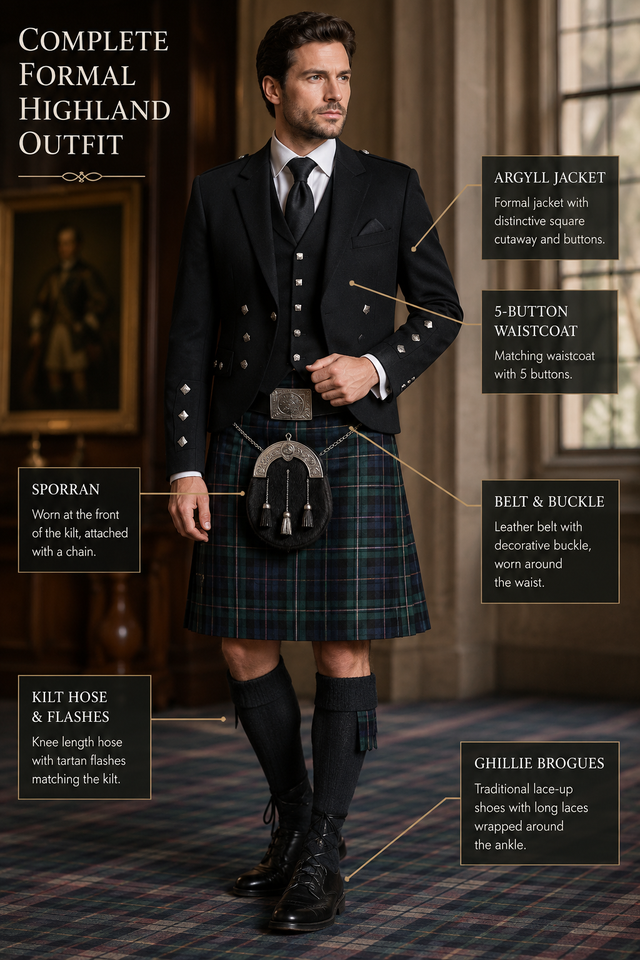
The Wedding Deal
Complete Formal Outfit
Everything you need to walk down the aisle in Highland dress.
- 5 or 8 Yards Kilt
- Argyll Jacket & 5-Button Waistcoat
- Sporran
- Kilt Hose, Flashes
- Belt & Buckle
- Ghillie Brogues
$306
$280
Save $26
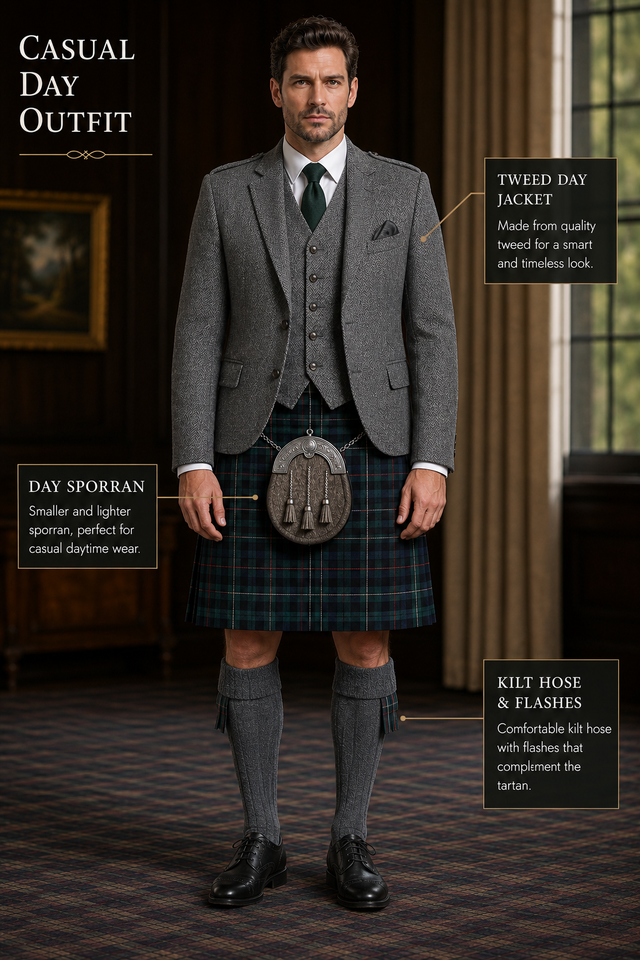
The Highland Games Deal
Casual Day Outfit
Everything you need to walk down the aisle in Highland dress.
- 5 or 8 Yards Kilt
- Tweed Day Jacket
- Day Sporran
- Kilt Hose & Flashes
$239
$213
Save $26
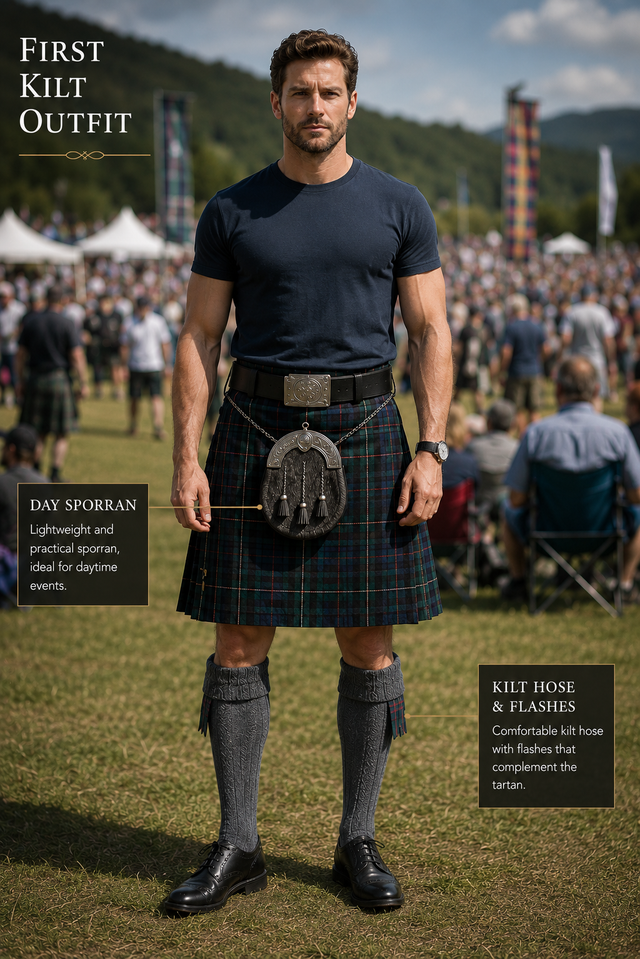
The Essential Starter
First Kilt Outfit
Everything you need to walk down the aisle in Highland dress.
- 5 or 8 Yards Kilt
- Day Sporran
- Kilt Hose & Flashes
$166
$142
Save $24
From real buyers
What buyers say about Trotter
★★★★★
From — verified buyers
i.
Discover the Trotter Tartan Line
Everything in Trotter tartan, in one place: kilts and full Highland outfits, cloth by the metre, plus scarves, ties, sashes and gift ideas. Pick the pieces you want and check out in minutes.
ii.
Trotter Accessories — Scarves, Ties & Sashes
Round things off with Trotter tartan extras — scarves, ties, sashes, flashes and small gifts — kept in stock where possible for fast dispatch.
iii.
Trotter Tartan Kilts & Outfit Packages
Our Trotter kilts are made to your exact size in 5-yard and 8-yard heavyweight cloth. Build a complete outfit with a Prince Charlie or tweed jacket, sporran and accessories.
iv.
Trotter Tartan Fabric for Makers
Pick up Trotter tartan fabric by the length for sewing, upholstery or accessories. Weights and swatches are listed so you can match your project exactly.
v.
Custom Trotter Orders & Delivery
Orders are produced to measure and dispatched globally. For weddings, gatherings or band orders in Trotter tartan, get in touch for group pricing and timing.
vi.
Pick a Colourway for Trotter Tartan
Colourways describe the dye, not the age: Modern is vivid, Ancient is mellow, Weathered is muted and Dress is the brighter formal version. All are available for Trotter tartan.
The variants
The full tartan family
Every documented variant of this tartan. Tap a variant to load it into the configurator at the top of the page.
No tartan variants found for this collection.
Frequently asked
Common questions
Stocked items ship in a few days; made-to-order Trotter kilts and outfits take a few weeks, with timing confirmed at checkout.
Choose from medium and heavyweight pure new wool, or poly-viscose, for Trotter tartan cloth.
Many Trotter tartan accessories — scarves, ties and sashes — are ideal gifts and are kept ready to dispatch.
Of course — the Trotter tartan can be worn by anyone, whether for a special occasion or day to day.
Yes. Ladies' Trotter tartan sashes, shawls, scarves and skirts are available alongside the kilts and accessories.
We deliver Trotter tartan orders globally, with tracked shipping options shown at checkout.
Absolutely — order Trotter tartan cloth by the metre in several weights, and request a swatch first if you want to confirm the shade.
The Trotter tartan collection includes kilts, Highland dress, jackets, fabric by the metre, scarves, ties, sashes and gifts — all woven in the Trotter sett and available in Ancient, Modern, Weathered and Dress colourways.