


Tartan Kilts
About this collection
Tartan Kilts
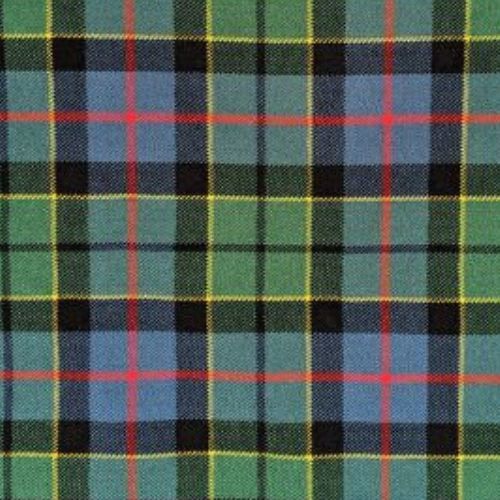
Forsyth Ancient Bespoke Kilt

Ontario Bespoke Kilt

Strathclyde Bespoke Kilt

Fermanagh County Bespoke Kilt

Texas Blue Bonnet Bespoke Kilt

Kidd Ancient Bespoke Kilt
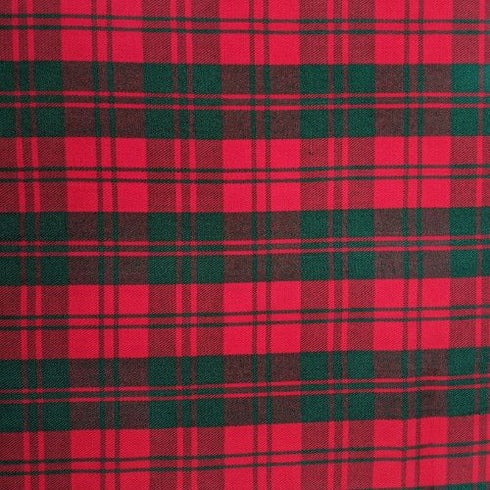
Erskine Bespoke Kilt

Thomson Blue Bespoke Kilt
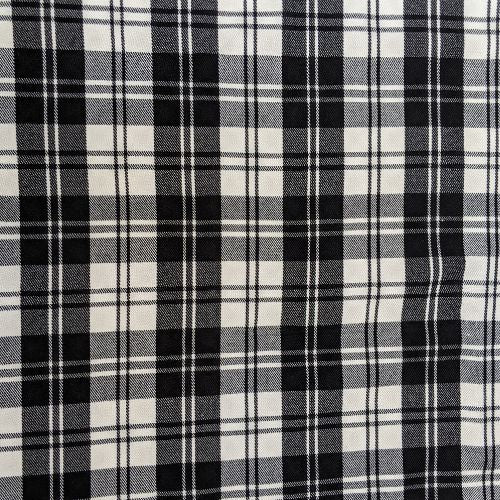
Erskine Black & White Bespoke Kilt

Knight Bespoke Kilt (2017) (Limited)

Strathearn Muted Bespoke Kilt
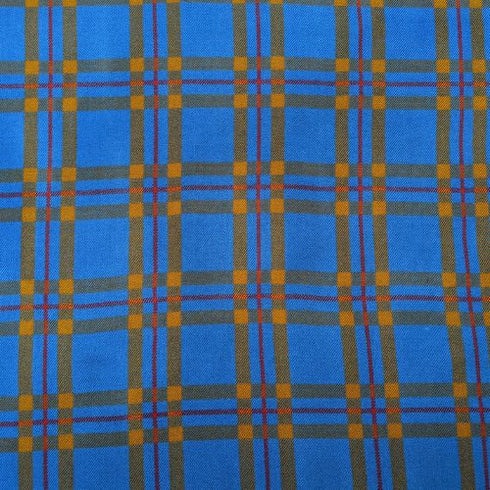
Elliot Ancient Bespoke Kilt
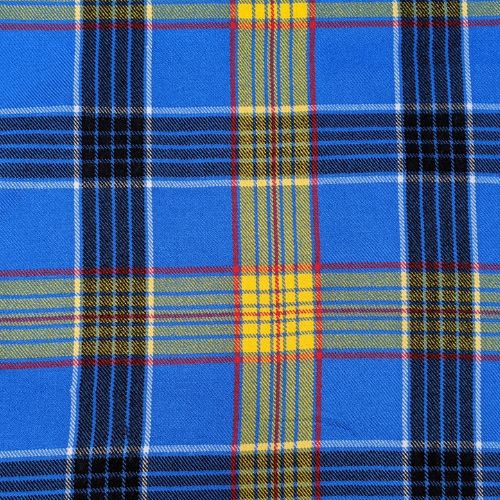
Laing Bespoke Kilt

O'Sullivan Bespoke Kilt
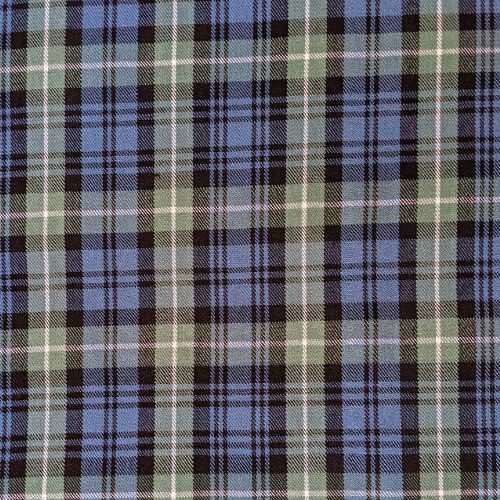
Lamont Ancient Bespoke Kilt

Dutch Bespoke Kilt
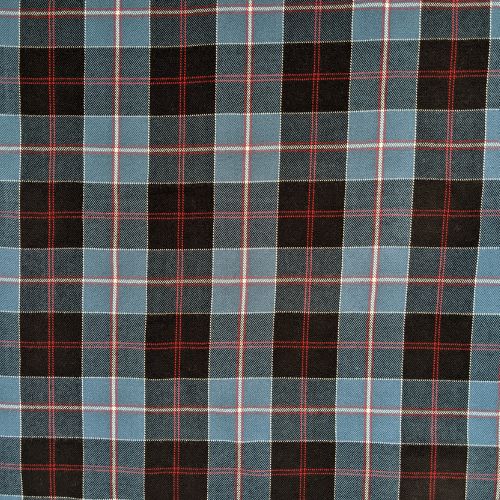
Dunlop Ancient Bespoke Kilt
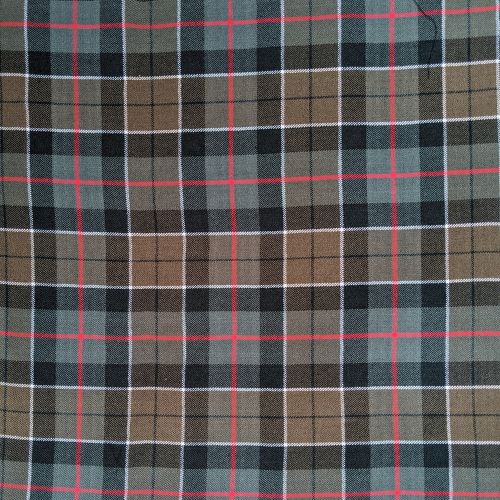
Leslie Hunting Weathered Bespoke Kilt
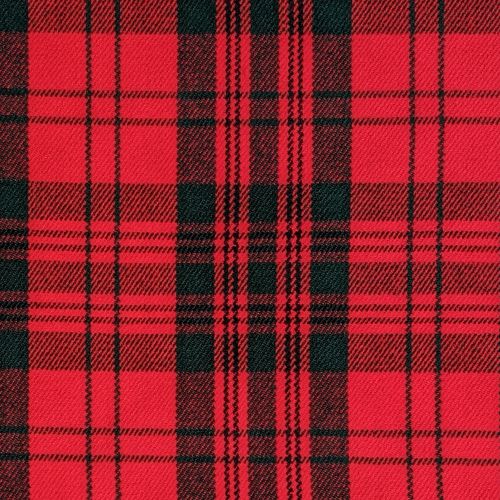
Livingstone Bespoke Kilt

Dark Duncan Bespoke Kilt - Limited
Most popular this season
Bestselling Tartan Kilts
The six styles our customers order most — every one made-to-measure to fit you exactly.


Shop by occasion
Find your Highland dress
Every kilt is hand-pleated and made to your exact measurements. Browse by occasion, or start with your clan tartan above.


Common questions
Frequently asked questions
A tartan is a patterned fabric characterized by crisscrossed horizontal and vertical bands in multiple colors, traditionally associated with Scottish heritage. Each pattern, known as a sett, represents a specific clan, region, or organization. Tartans are woven from wool or other materials and used in various garments and accessories. A kilt, however, is a specific garment made from tartan fabric. It is a knee-length skirt-like piece of clothing traditionally worn by men, featuring pleats at the back and a flat front. While tartan refers to the fabric and pattern, the kilt is the iconic garment that utilizes this fabric.
Scottish clans have different tartans to represent their unique identity, heritage, and lineage. Historically, tartans served as a form of identification, allowing individuals to recognize members of their clan or distinguish themselves from rival clans during gatherings or conflicts. Each clan’s tartan features a distinct pattern and color combination, often inspired by the natural landscape or local resources of the clan’s ancestral region. Over time, these patterns became symbolic emblems of pride and loyalty, used during formal occasions, ceremonies, and celebrations. Today, wearing a clan's tartan is a way to honor one's ancestry and cultural heritage, fostering a sense of belonging and tradition.
A tartan kilt is a traditional Scottish garment made from tartan fabric, characterized by its unique plaid patterns that represent various clans, regions, or organizations. Typically worn by men, the kilt wraps around the body with overlapping front aprons, pleats at the back, and a flat front. It is fastened with buckles and straps, usually sitting high on the waist and ending just above the knees. The tartan pattern used in a kilt often carries historical significance, symbolizing the wearer's heritage and identity. Tartans can vary in color and design, making each kilt a distinctive piece of cultural attire and personal expression.
Kilts are predominantly associated with Scottish culture, though they have roots in broader Celtic traditions. The modern kilt, as we recognize it today, originated in the Scottish Highlands in the 16th century. It evolved from the “féileadh mòr,” a large, full-length garment Highlanders wore. While kilts are now a distinct symbol of Scotland and its national identity, their origins can be traced back to the shared clothing styles of ancient Celtic tribes that spanned across Ireland, Wales, and Brittany. Thus, while kilts are uniquely Scottish in their modern form, they reflect a heritage connected to the wider Celtic tradition.
The rules for wearing tartan, while not strict, are guided by tradition and respect. For those with Scottish heritage, it is customary to wear the tartan associated with their family or clan, symbolizing lineage and pride. If you don’t have a clan connection, universal or district tartans are acceptable. Formal occasions may call for specific tartans, such as a hunting or dress variation. The kilt should be worn with appropriate accessories, including a sporran, belt, kilt hose, and flashes. Ensure the pleats are at the back and the kilt length reaches the middle of the knee. Above all, wearing tartan is about honoring the culture and its rich history.
Choosing the right tartan for your kilt involves considering your heritage, personal preference, and the occasion. If you have Scottish ancestry, selecting the tartan associated with your family clan is a traditional and meaningful choice. For those without clan connections, there are universal tartans available, which anyone can wear. You can also choose based on the colors and patterns that resonate with you. Additionally, consider the formality of the event—some tartans are more suitable for formal occasions, while others are better for casual wear.
To measure for a kilt accurately, you'll need three key measurements: waist, hips, and kilt length. Start by measuring your waist at the navel, which is higher than where modern trousers sit. Next, measure the hips at the widest point, typically around the buttocks. For the length, measure from the waist (at the navel) down to the middle of the knee. Stand straight with your feet together for accurate results. It's best to use a cloth measuring tape and have someone assist you to ensure precision. Accurate measurements are crucial for a well-fitted kilt that sits comfortably and looks traditionally appropriate.
Proper care is essential to maintain the quality and longevity of a kilt. Always dry clean your kilt to preserve the fabric and colors, as washing it in a machine can damage the delicate wool or other materials. When storing, hang the kilt using a kilt hanger, ensuring the pleats are neatly aligned. Avoid folding to prevent creases and distortion of the pleats. Regularly brush the kilt with a soft brush to remove dust and debris, and use a steamer on a low setting to smooth out wrinkles. Avoid excessive heat and moisture to protect the fabric from shrinking or stretching.
Learn before you buy
Buying guides & Highland-dress resources
Behind the bench
Tour our workshop in Sialkot
Three minutes inside one of our Pakistan workshops — see hand-pleating, fabric cutting, and the final fit-check every kilt passes before it ships. Customers and partners are welcome to visit in person.