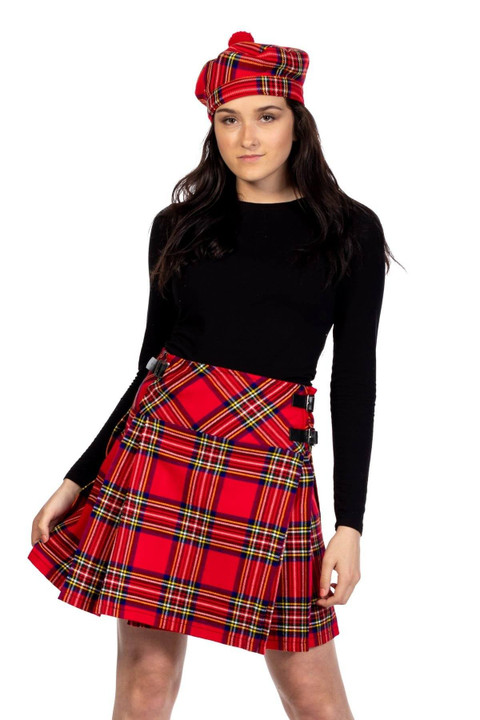
The MacDonald clan tartan represents Scotland's mightiest Highland dynasty, whose dominion stretched from the Western Isles to mainland Scotland. As Lords of the Isles, the MacDonalds ruled vast territories with their distinctive tartan symbolizing centuries of power.
Clan Motto
Per mare Per Terras (By Land and By Sea)
Heritage & Identity
Who Wears MacDonald Tartan?
Worn by MacDonald descendants globally, sept families including Donald, MacConnell, and O'Donnell bearers, Highland regiment veterans, and Scottish heritage enthusiasts across America, Canada, and Britain.
Associated Names
Donald
MacDonnell
McDonnell
MacConnell
McConnell
O'Donnell
Donnell
Donnelly
MacIan
MacKian
Hawthorn
May
MacColman
MacCrain
MacRory
MacRonald
Purcell
Kellie
Kelly
Keeley
MacCook
MacBeth
MacWhirter
MacSporran
MacGorrie
Gorrie
MacIlreach
MacIlvride
MacIlwraith
MacKeochan
MacLardie
MacLerie
Sanderson
MacSandair
MacIsaac
MacAllister
MacAlester
Gillan
MacGillan
Millan
MacMilian
MacMartin
MacMurrich
MacPhail
MacBhaird
Ward
Bowie
Bowman
MacBride
Daniel
Daniels
Darroch
MacKinnell
MacRaith
Train
MacTrain
Military Heritage
Associated Regiments
MacDonald warriors served with legendary distinction in Highland regiments worldwide, leading elite Scottish units from Culloden to North America, with particular excellence in Canadian frontier service and Indian campaigns.
42nd Regiment of Foot (Black Watch)
78th Fraser Highlanders
79th Cameron Highlanders
93rd Sutherland Highlanders
Seaforth Highlanders
Gordon Highlanders
Argyll and Sutherland Highlanders
Queen's Own Cameron Highlanders (Canada)
48th Highlanders of Canada
Calgary Highlanders (Canada)
Toronto Scottish Regiment (Canada)
Canadian Scottish Regiment (Canada)
London Scottish (UK)
Liverpool Scottish (UK)
Lovat Scouts
Special Air Service
Royal Marines
Irish Guards
Scots Guards
Shop MacDonald Tartan Products
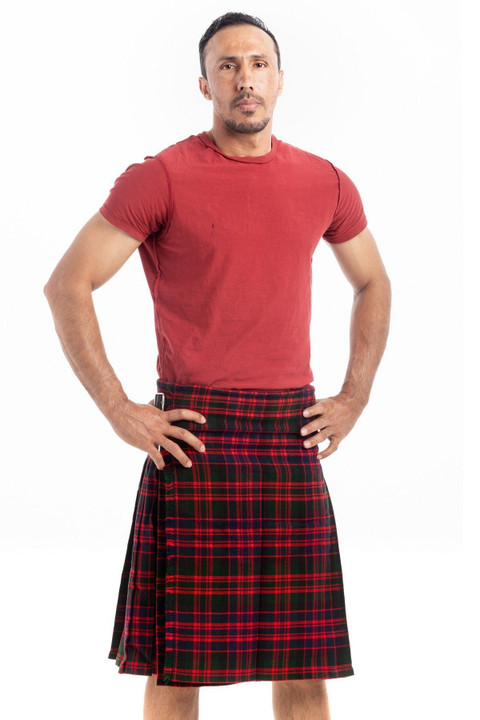
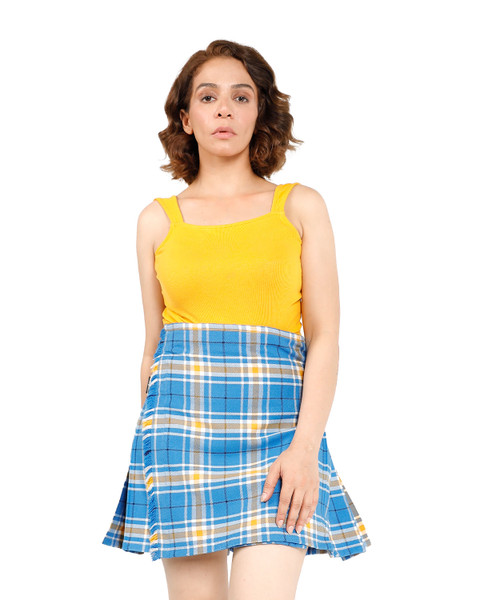
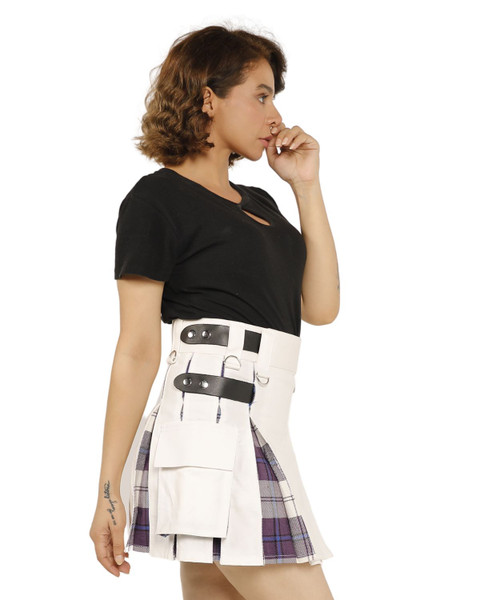
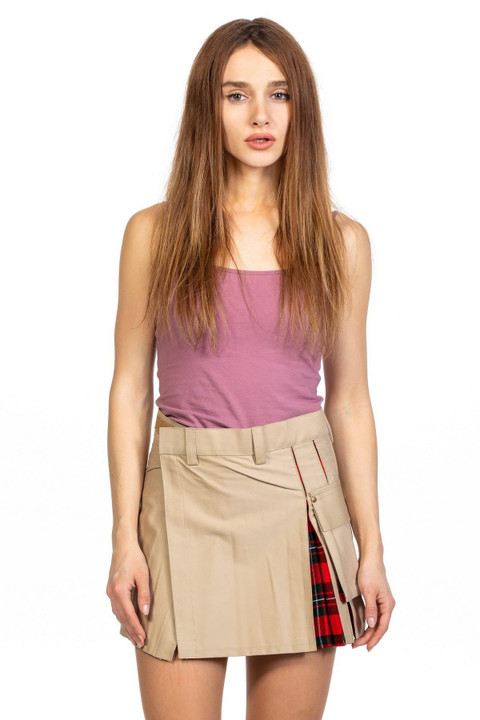
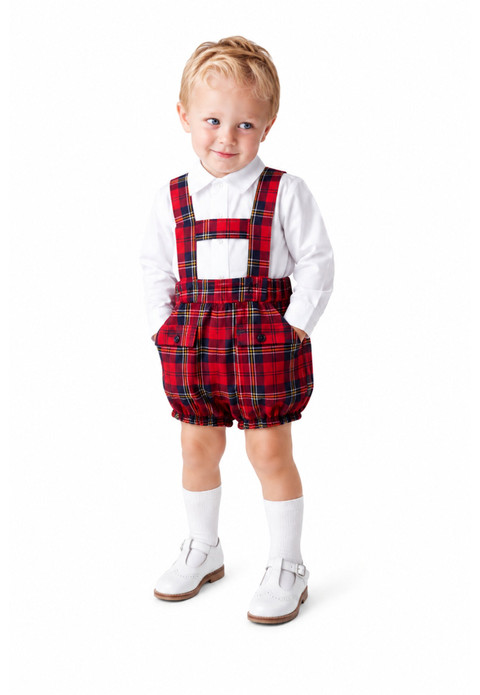
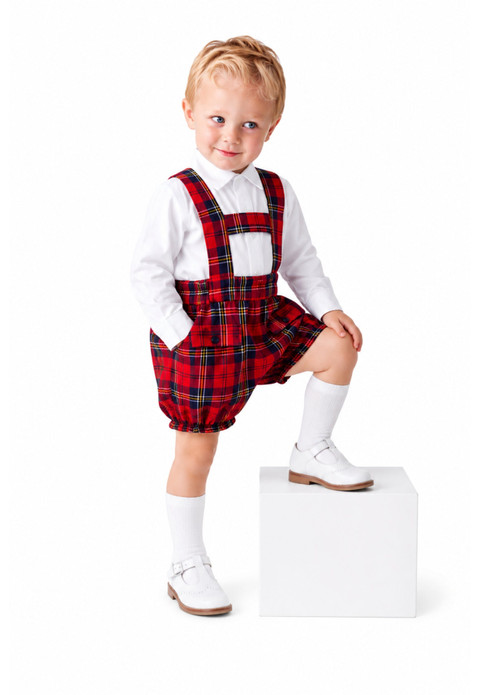
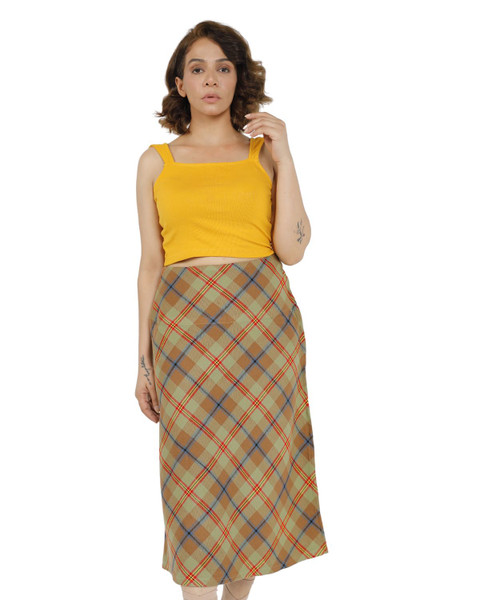
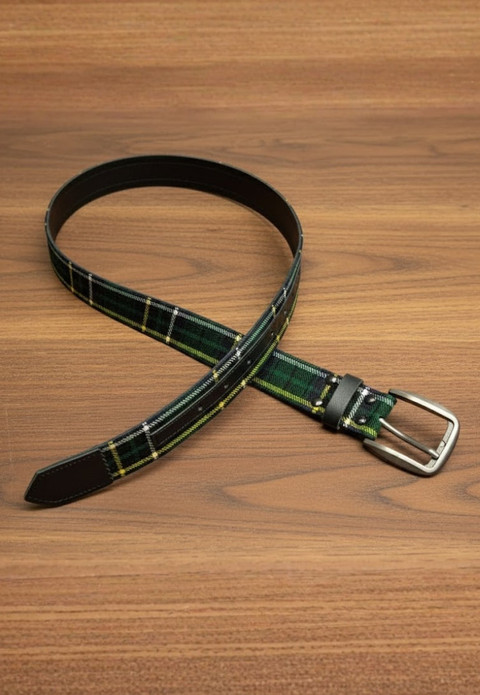
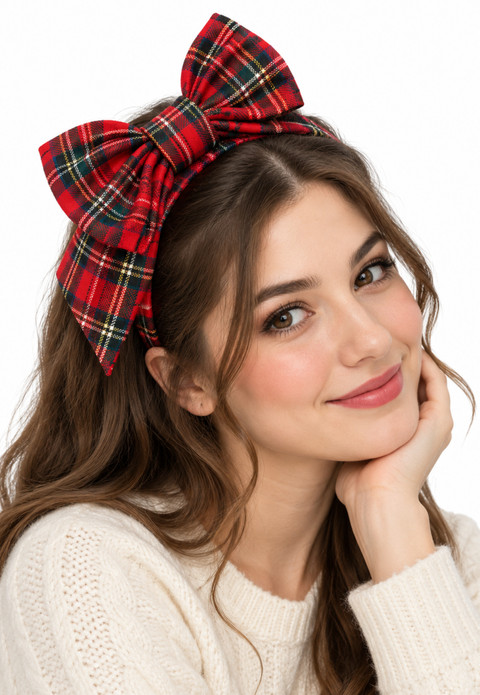
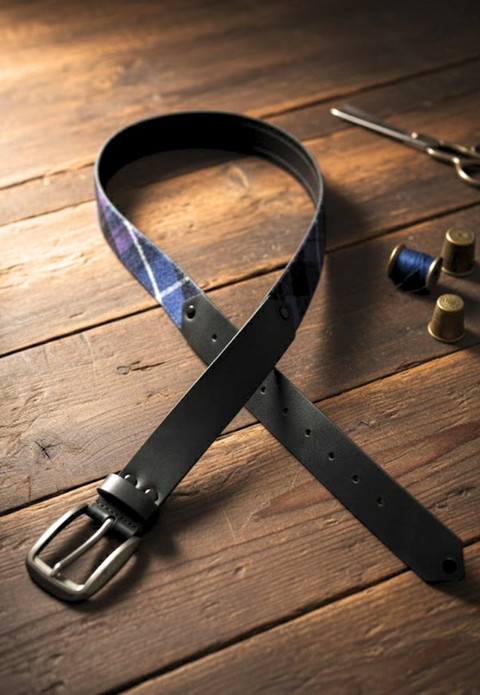
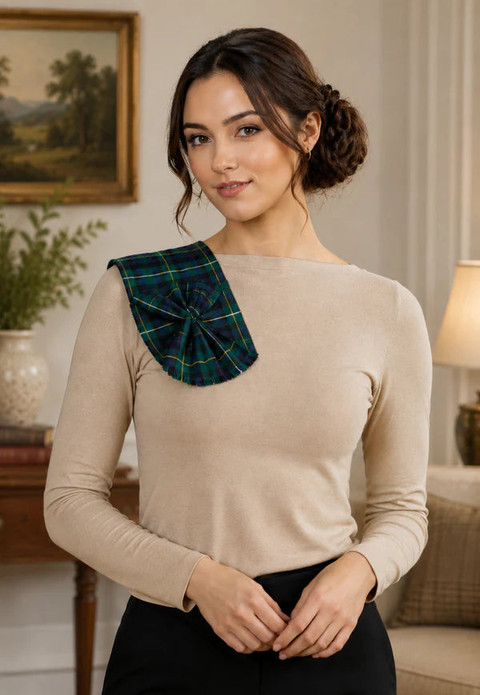
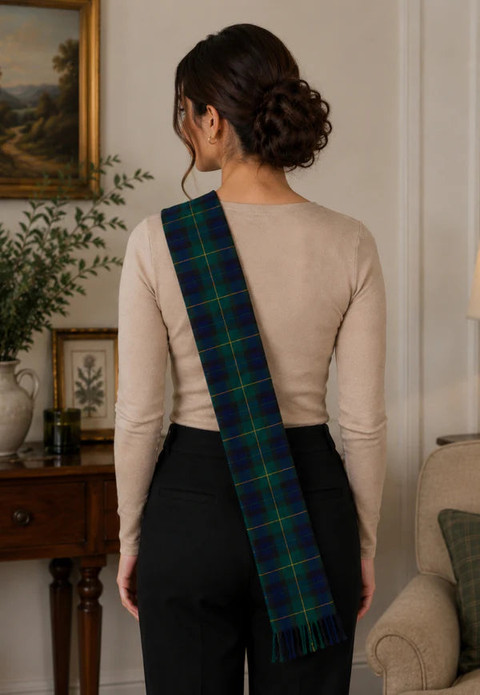
Discover authentic MacDonald clan heritage including traditional Highland kilts, ceremonial dress accessories, clan badges, tartan ties, scarves, and Highland regalia crafted for descendants across North America and Scotland.
All Categories
Aprons
Baby & Children's Outfits
Baby & Toddler Bottoms
Beanies
Belt Buckles
Belts
Blankets
Bolero Jackets
Bomber Jackets
Brooches & Lapel Pins
Caps
Chair & Sofa Cushion Covers
Charms & Pendants
Christmas Tree Skirts
Cloth Napkins
Coats & Jackets
Coin Purses
Cowboy Hats
Cross Body Bags
Cufflinks
Decor
Dresses
Earrings
Fashion Face Masks
Flags & Windsocks
Flat Caps
Garters
Gift Bags
Great Highland Bagpipes
Hair Pins, Claws & Clips
Handbags
Handkerchiefs
Hats
Headbands
Hiking Backpacks
Holiday Ornaments
Holiday Stockings
Hoodies
Jogger Shorts
Lanyards
Messenger Bags
Neckties
Pet Bandanas
Pet Collars & Ties
Puffer Jackets
Ribbons & Trim
Ring Pillows & Holders
Sashes
Scarves & Shawls
School Bags
Shirts
Shoulder Bags
Skirts
Slipcovers
Standard Collars
Suits
Suspenders
Sweatshirts
Table Runners
Tablecloths
Tote Bags
Traditional Clothing Accessories
Travel Wallets
Trousers
Vests
Wallets
Wedding Ceremony Supplies
Winter Hats
All Styles
All Products
Bowties
Braces
Clutches
Coats & Jackets
Cross Body Bags
Dog Apparel
Face Masks
Female Kilts
Fly Plaid
Glengarry & Balmoral Hats
Golf Trouser
H-Bar Set
Hair Accessories
Handbags
Headbands
Kids Kilts
Kids Skirts
Kilt Flashes
Kilt Jackets & Vests
Kilt Shirts
Lanyards
Musical instruments
Neckwear
Ring Cushion
Serape
Shoulder Bags
Sporrans
Stoles
Suits
Tartan Accessories
Tartan Aprons
Tartan Brooch
Tartan Capes
Tartan Dresses
Tartan Hats & Caps
Tartan Knickerbockers
Tartan Leather Belts
Tartan Pants
Tartan Poncho
Tartan Ribbon
Tartan Sash
Tartan Scarf
Tartan Shawl
Tartan Shirts
Tartan Skirts
Tartan Ties
Tartan Vests
Tartan/Cargo
Trew
Waistcoat
Wallets, Pouches & Purses
Wedding Garters
Women Tartan Shorts
All Prices
Under $50
$50 - $100
$100 - $200
$200 - $500
$500+
Associated Tartans
Your Selected Tartan
Other Associated Tartans
MacDonald Tartans
0 Variations
Each tartan can feature several variations, with the most common being Ancient, Modern, Weathered, Hunting and Dress.
Loading tartans…
Ancient Tartan
Before 1860, all fabric dyes came from nature — plants, berries, bark, and insects. The colours they produced were softer and more muted than what we're used to today: think mossy greens, dusty sky blues, and reds with a warm, orangey tone. A lot of people actually prefer Ancient tartans for this reason — the gentler contrasts let the pattern breathe and stand out in a way that bolder colours sometimes don't. Worth knowing: the pattern itself, called the sett, is exactly the same across all variations of a tartan. It's only the colours that change.
Modern Tartan
Modern tartans came about after 1860, when chemical dyes replaced natural ones. The difference is pretty striking. Those soft, earthy greens became deep bottle green. Pale blues turned into rich navy. Reds went from warm and muted to full-on scarlet. If you're after something bold and vivid, Modern is usually the one to go for. It's the version most people picture when they think of a classic tartan.
Weathered Tartan
Weathered tartans take their inspiration from what happens to fabric left out in the elements — faded by sun, softened by rain, worn in by time. The colours shift towards olive greens, warm browns, and very pale blues, with reds that fade down to something close to a dusty pink. It's a more rustic, lived-in look, and honestly a really beautiful one. If you want something that feels a little more understated and natural, Weathered is worth a look.
Hunting Tartan
Hunting tartans are essentially the camouflage version of a clan's tartan — greens and browns brought forward so the wearer could move through the landscape without standing out. Not every clan has one, and that's by design. If a tartan is already mostly green or brown (like the Black Watch or Gunn), there's no need to adapt it. But a tartan like the Fraser, which is predominantly red, would make someone very easy to spot in the field — so a Hunting version makes a lot of sense for clans like that.
Dress Tartan
Dress tartans were made for the big occasions — Highland games, celebrations, and traditional dance. The pattern stays the same, but the main colour is swapped out for white, or extra white is woven in to give it a lighter, more formal feel. As you'd expect from the Scots, the rules get bent every now and then — yellow has been used instead of white in some cases, which is exactly how the famously bold MacLeod Dress Modern and Barclay Dress Modern came to be.
The MacDonald Story
Four centuries of history woven into every thread
Origins and Rise
The MacDonald clan emerged from Somerled, King of the Isles, through his son Ranald and grandson Donald of Islay in the 12th century. Donald established the dynasty that would become Scotland's most powerful clan, ruling vast territories from their strongholds on Islay and throughout the Hebrides. The early MacDonalds consolidated control over the western seaboard through strategic marriages, naval supremacy, and fierce warrior traditions. Their galleys commanded respect from Norway to Ireland, establishing trade networks that brought wealth and influence. The clan's rise coincided with Scotland's wars of independence, where they demonstrated both loyalty to Scottish kings and fierce independence in their island domains, setting the foundation for centuries of Highland dominance.
Lords of the Isles
The 14th and 15th centuries marked the golden age of MacDonald power as Lords of the Isles, ruling virtually independent kingdoms from their courts at Finlaggan on Islay. John MacDonald I secured the title Lord of the Isles in 1354, commanding territories from Kintyre to Skye and wielding power rivaling Scottish kings. The clan maintained their own parliament, navy, and diplomatic relations with England and Ireland. During this period, MacDonald chiefs patronized Gaelic culture, supporting bards, harpers, and chroniclers who preserved Highland traditions. Their galley fleets dominated western Scotland's waters, while clan territories expanded through conquest and alliance. The MacDonalds established cadet branches including Clanranald, Glengarry, and Keppoch, each controlling strategic Highland glens and islands throughout their vast lordship.
Where does the name MacDonald come from?
MacDonald derives from Gaelic 'Mac Dhomhnaill' meaning 'son of Donald,' with Donald originating from 'Domhnall' meaning 'world ruler' or 'mighty.' The name stems from Donald of Islay, grandson of Somerled, King of the Isles, who founded the dynasty in the 12th century. This patronymic surname reflects the Highland tradition of honoring powerful ancestors, with Donald establishing the most influential clan in medieval Scotland's western territories.
Symbolism & Significance
The 16th century brought dramatic changes as Scottish kings moved to break MacDonald independence, culminating in the forfeiture of the Lordship of the Isles in 1493. Despite losing their paramount title, MacDonald branches continued wielding significant power throughout the Highlands and Islands. The clan fragmented into major branches: MacDonalds of Sleat on Skye, Clanranald in the outer isles, Glengarry in Lochaber, and Keppoch in the central Highlands. Each branch maintained warrior traditions while adapting to changing political landscapes. The MacDonalds played crucial roles in clan conflicts, supporting various causes from Mary Queen of Scots to Jacobite risings. Their military prowess remained legendary, with MacDonald warriors forming the backbone of Highland armies and their pipers leading charges that became part of Scottish military folklore.
Glory & Heritage
The 17th and 18th centuries witnessed MacDonald involvement in every major Scottish conflict, from religious wars to Jacobite uprisings. The clan suffered devastating losses at Culloden in 1746, where MacDonald regiments fought valiantly in the front lines. Following Culloden, many MacDonalds emigrated to North America, establishing strong communities in Nova Scotia, Prince Edward Island, North Carolina, and New York. Flora MacDonald became legendary for helping Bonnie Prince Charlie escape after Culloden, later emigrating to North Carolina herself. Highland Clearances forced thousands more MacDonalds overseas, where they distinguished themselves as soldiers, pioneers, and community leaders. Canadian MacDonalds produced Sir John A. Macdonald, Canada's first Prime Minister, while American branches contributed significantly to the Revolutionary War and westward expansion across the continent.
The MacDonald tartan embodies Scotland's most powerful clan legacy, from Lords of the Isles to Highland warriors, woven in patterns that commanded respect across the Hebrides.
Featured Collections
Craftsmanship defined by tradition, designed for the modern era.