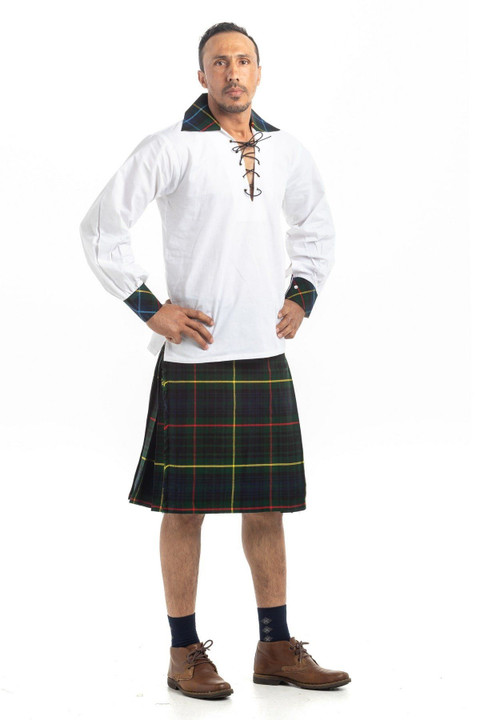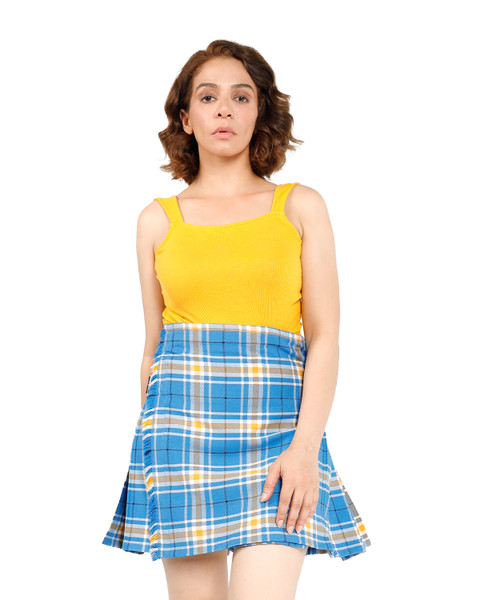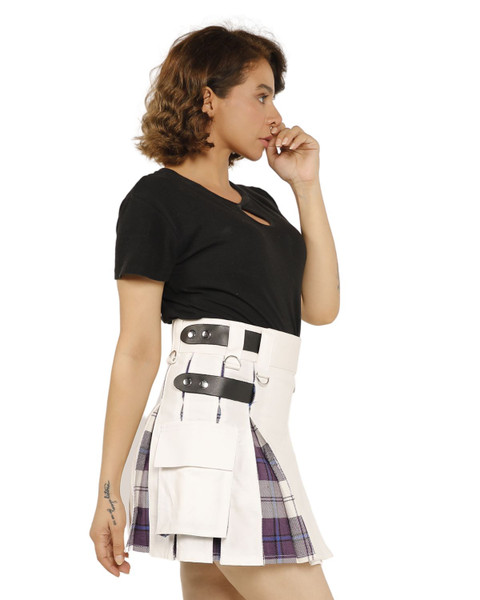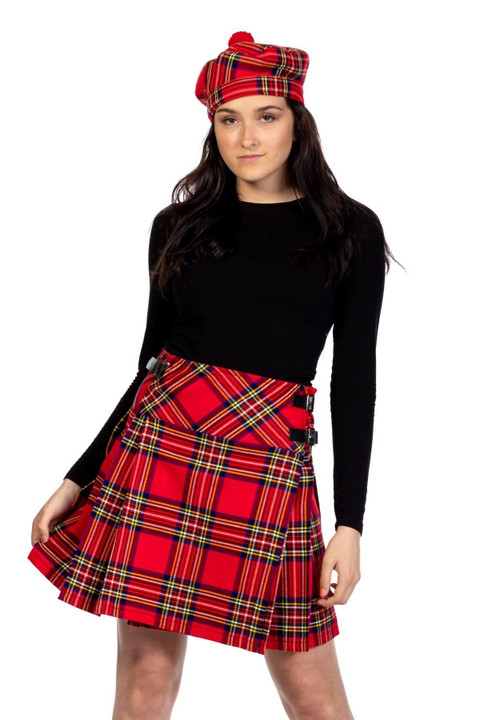
The House of Stewart (later Stuart) is one of the most significant royal dynasties in British history. Originating from Brittany, the family rose to become High Stewards of Scotland before ascending to the throne in 1371 when Robert II became King of Scotland.
Clan Motto
Virescit Vulnere Virtus (Courage grows strong at a wound)
Heritage & Identity
Who Wears Stewart Tartan?
There are an awful lot of Scottish clans to start with and on top of this each clan can have many different tartans and names associated with it. Over 2000 tartans exist today, each telling its own story.
Associated Names
Boyd
Carmichael
Clay
Combe
Combich
Combie
Conlay
Conley
Donlevy
Dennison
Denniston
France
Francis
Lay
Lennox
Levack
Lisle
Livingston
Livingstone
Lombard
Lorne
Lumbard
Lyle
Macmichael
Menteith
Mitchell
Mitchelson
Monteath
Monteith
Moodie
Moody
Robb
Steuard
Steuart
Stuart
Walker
Military Heritage
Associated Regiments
Over the last 300 years, tartans have been a part of official dress for some of the most famous regiments throughout the military world! Their respective regimental tartans became undisputedly tied to the very core identity of the soldiers who wear it.
Black Watch Pipers
Bombay Volunteer Rifles (India)
Calcutta Scottish (India)
Duke of Albany's Own Highlanders
King's Own Scottish Borderers
Loretto School Officer Training Corps
Queen's Own Corps of Guides
Royal Scots Dragoon Guards (Pipers)
Royal Scots (The Royal Regiment)
Royal Scots (Pipers)
Scots Guards (Pipers)
Shanghai Volunteer Corps (China)
Shop Stewart Tartan Products
From curtains to clothing, explore our complete range of Black Watch Tartan products. Start by selecting a product type, then use the style filter to quickly narrow down your options and find exactly what you’re looking for.
All Categories
Aprons
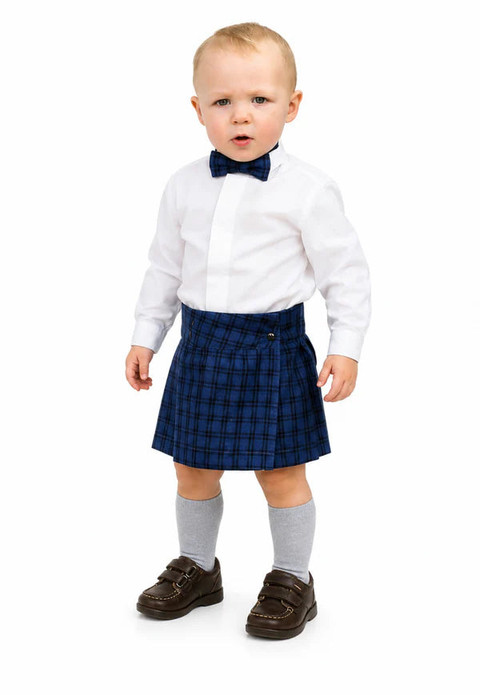
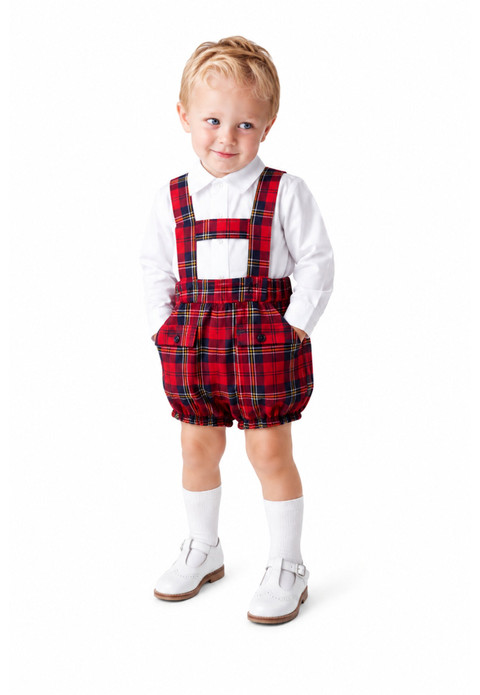
Baby & Children's Outfits
Baby & Toddler Bottoms
Baby & Toddler Outfits
Baby One-Pieces
Backpacks
Baseball Caps
Beanies
Belt Buckles
Blankets
Bolero Jackets
Boots
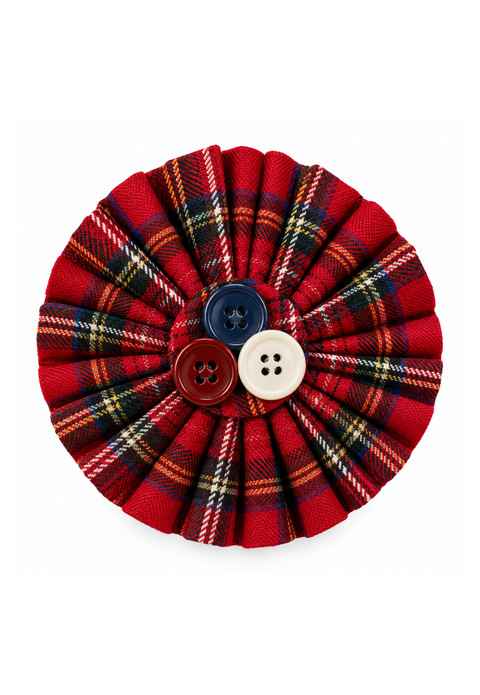
Brooches & Lapel Pins
Chair & Sofa Cushion Covers
Charms & Pendants
Christmas Tree Skirts
Cloth Napkins
Clothing Tops
Coats & Jackets
Coin Purses
Cowboy Hats
Cross Body Bags
Cufflinks
Decor
Dresses
Earrings
Fabric
Fashion Face Masks
Flags & Windsocks
Flat Caps
Garters
Gift Bags
Great Highland Bagpipes
Hair Pins, Claws & Clips
Handbags
Handkerchiefs
Hats
Headbands
Holiday Ornaments
Holiday Stockings
Messenger Bags
Neckties
Pet Bandanas
Pet Beds
Pet Collars & Ties
Puffer Jackets
Ribbons & Trim
Ring Pillows & Holders
Sashes
Scarves & Shawls
School Bags
Shirts
Shoes
Shorts
Shoulder Bags
Skirts
Slipcovers
Standard Collars
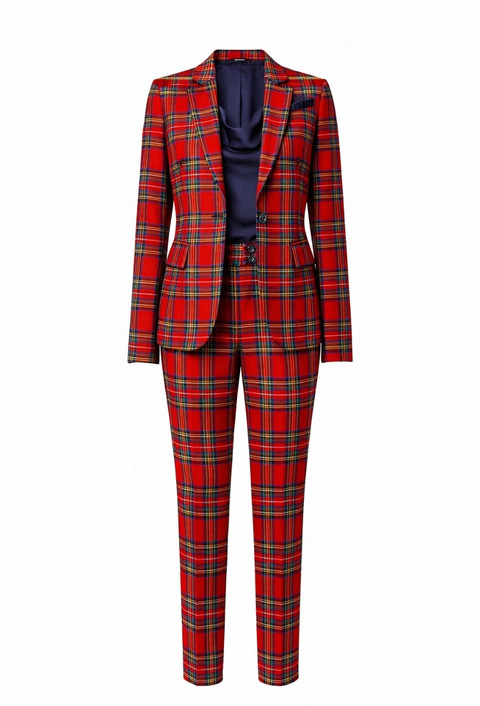
Suits
Suspenders
Table Runners
Tablecloths
Tote Bags
Traditional & Ceremonial Clothing
Traditional Clothing Accessories
Trousers
Varsity Jackets
Vests
Wedding Ceremony Supplies
Winter Hats
All Styles
16 oz
3 Piece
5 Yards - Casual
8 Yards - Traditional
9 Yards - Traditional
A Line
All Round Pleated
Argyll
Bias Cut
Bow
Dinner
Double Breasted
Dresses
Golf
Great Kilt
Horseshoe Neck
Infinity Scarf
Kate Coat
Kilt Shoes
Mini
Narrow Heel
Pencil
Pet Accessories
Prince Charlie
Quilted
Ring
Rosette
Shirt
Single Breasted
Sleeveless
Slim Cut
Straight Cut Bottom
Striped
Tie
Wrap
All Products
5 Yards Kilt - All Tartans
9 Yards Kilt - All Tartans
Bowties
Braces
Clutches
Coats & Jackets
Cross Body Bags
Denim Kilts
Dog Apparel
Dog Rug
Fabric
Face Masks
Female Kilts
Fly Plaid
Ghillie Brogues
Great Kilt - All Tartans
H-Bar Set
Hair Accessories
Handbags
Headbands
Hybrid Kilts
Kids Kilts
Kids Outfit
Kids Skirts
Kilt Flashes
Kilt Jackets & Vests
Kilt Outfit
Kilt Shirts
Leather Kilts
Musical instruments
Neckwear
Ring Cushion
Romper Suit
Serape
Shoulder Bags
Sporrans
Stoles
Suits
Tartan Accessories
Tartan Aprons
Tartan Beret
Tartan Brooch
Tartan Capes
Tartan Decoration
Tartan Dresses
Tartan Hats & Caps
Tartan Knickerbockers
Tartan Leather Belts
Tartan Pants
Tartan Poncho
Tartan Ribbon
Tartan Sash
Tartan Scarf
Tartan Shawl
Tartan Shirts
Tartan Skirts
Tartan Ties
Tartan Vests
Tartan/Cargo
Trew
Trew Outfit
Vegan Kilt - All Tartans
Waistcoat
Wedding Garters
Women Shoes
All Prices
Under $50
$50 - $100
$100 - $200
$200 - $500
$500+
Associated Tartans
Your Selected Tartan
Other Associated Tartans
Stewart Tartans
0 Variations
Each tartan can feature several variations, with the most common being Ancient, Modern, Weathered, Hunting and Dress.
Loading tartans…
Ancient Tartan
Before 1860, all fabric dyes came from nature — plants, berries, bark, and insects. The colours they produced were softer and more muted than what we're used to today: think mossy greens, dusty sky blues, and reds with a warm, orangey tone. A lot of people actually prefer Ancient tartans for this reason — the gentler contrasts let the pattern breathe and stand out in a way that bolder colours sometimes don't. Worth knowing: the pattern itself, called the sett, is exactly the same across all variations of a tartan. It's only the colours that change.
Modern Tartan
Modern tartans came about after 1860, when chemical dyes replaced natural ones. The difference is pretty striking. Those soft, earthy greens became deep bottle green. Pale blues turned into rich navy. Reds went from warm and muted to full-on scarlet. If you're after something bold and vivid, Modern is usually the one to go for. It's the version most people picture when they think of a classic tartan.
Weathered Tartan
Weathered tartans take their inspiration from what happens to fabric left out in the elements — faded by sun, softened by rain, worn in by time. The colours shift towards olive greens, warm browns, and very pale blues, with reds that fade down to something close to a dusty pink. It's a more rustic, lived-in look, and honestly a really beautiful one. If you want something that feels a little more understated and natural, Weathered is worth a look.
Hunting Tartan
Hunting tartans are essentially the camouflage version of a clan's tartan — greens and browns brought forward so the wearer could move through the landscape without standing out. Not every clan has one, and that's by design. If a tartan is already mostly green or brown (like the Black Watch or Gunn), there's no need to adapt it. But a tartan like the Fraser, which is predominantly red, would make someone very easy to spot in the field — so a Hunting version makes a lot of sense for clans like that.
Dress Tartan
Dress tartans were made for the big occasions — Highland games, celebrations, and traditional dance. The pattern stays the same, but the main colour is swapped out for white, or extra white is woven in to give it a lighter, more formal feel. As you'd expect from the Scots, the rules get bent every now and then — yellow has been used instead of white in some cases, which is exactly how the famously bold MacLeod Dress Modern and Barclay Dress Modern came to be.
Buy Tartan Fabric
Own a piece of heritage. Our fabric is woven with meticulous attention to detail.
...per yard
The Stewart Story
Four centuries of history woven into every thread
From Brittany to Scotland
In the mists of the 12th century, Walter FitzAlan crossed the sea from Brittany, bearing with him the traditions of Norman nobility and the ambitions that would shape a nation. King David I of Scotland recognized his worth, appointing him High Steward—a position of such prestige that it would become the family name itself. The Stewarts were more than administrators; they were guardians of the realm, defenders of the crown, and architects of Scotland's future. Through strategic marriages and unwavering service, they wove themselves into the very fabric of Scottish nobility. When Robert the Bruce secured Scotland's independence at Bannockburn in 1314, Walter Stewart, 6th High Steward, fought at his side. His marriage to Bruce's daughter Marjorie would prove fateful—their son would become the first Stewart king.
Rise to Power
In 1371, the impossible became reality. Robert Stewart, grandson of Robert the Bruce, ascended the throne as Robert II, transforming a family of royal servants into Scotland's ruling dynasty. For the next 343 years, every Scottish monarch would bear the Stewart name. Edinburgh Castle became their principal fortress, its volcanic perch commanding the ancient capital. Within these stone walls, Stewart kings held court, made laws, and planned campaigns. Here Mary, Queen of Scots gave birth to James VI, who would unite the Scottish and English crowns. The Stewarts ruled through an age of renaissance and reformation, civil war and intrigue. They patronized the arts, commissioned great buildings, and defended Scotland's independence against all challengers. Their reign was marked by both splendor and tragedy—a truly royal paradox.
Where does the name Stewart come from?
History is not just about the past, it's the thread that connects us to our present and defines our future.
The Royal Dynasty
The Royal Stewart tartan—bold crimson crossed with deep navy and forest green, highlighted with thin lines of brilliant gold—is perhaps the most recognized pattern in the world. Its colors tell a story: red for courage and royal blood, blue for loyalty and the Scottish sky, green for the Highland glens, and gold for the crown itself. Originally the personal tartan of the reigning monarch, it was worn exclusively by the Royal Family. But in a gesture of cultural generosity, the Stewarts allowed their tartan to become a symbol that any Scot—or admirer of Scotland—could wear with pride. Today, the Royal Stewart adorns everything from ceremonial highland dress to diplomatic gifts presented by the British monarchy. It has transcended its royal origins to become an emblem of Scottish heritage itself, recognized from Tokyo to New York as the pattern of Scotland.
Legacy & Heritage
For centuries, the skirl of bagpipes in Royal Stewart tartan rallied Scottish soldiers to glory. From the killing fields of Flodden to the trenches of the Somme, Stewart regiments carried their clan's honor into battle. The Royal Scots, Britain's oldest infantry regiment, wore the pattern with fierce pride. The Black Watch pipers, the Scots Guards, and the Royal Scots Dragoon Guards all marched to war in Stewart tartan. Their pipers played at dawn, their haunting melodies cutting through cannon fire and chaos. To hear those pipes was to know that Scottish courage stood unbroken. These regiments served across the globe—from the deserts of North Africa to the jungles of Burma, from the frozen battlefields of Russia to the beaches of Normandy. Wherever they fought, the Royal Stewart tartan became a symbol of discipline, bravery, and the indomitable Scottish warrior spirit.
The Stewarts' Lament echoes still across the waters of Loch Dunvegan, a pìobaireachd that speaks of loss, honour, and the eternal bond between a chief and his people.
Featured Collections
Craftsmanship defined by tradition, designed for the modern era.