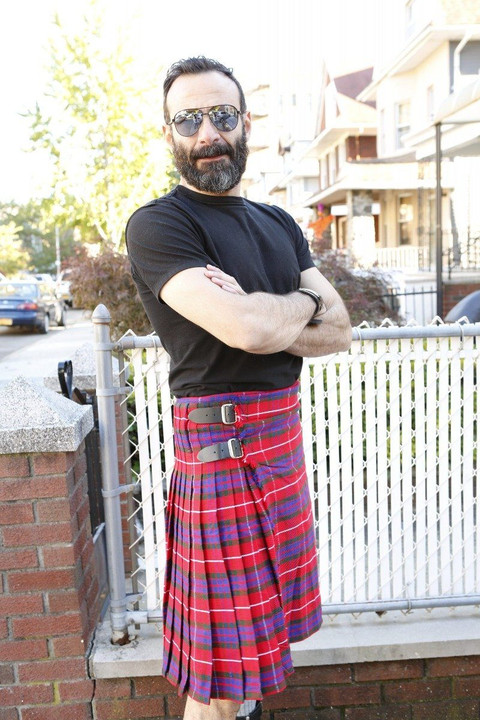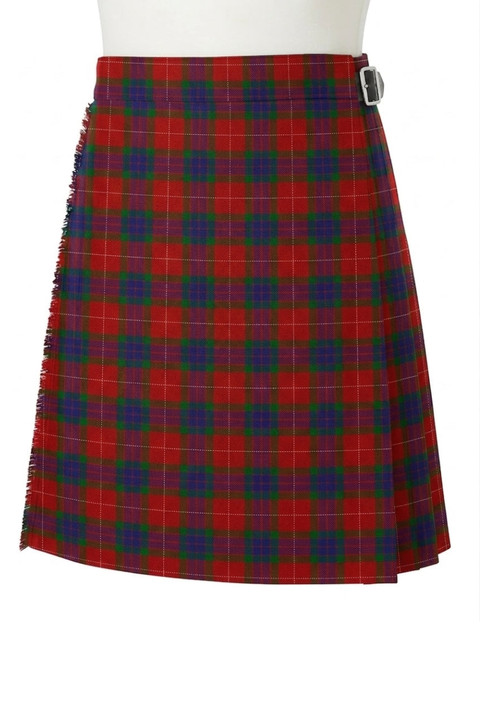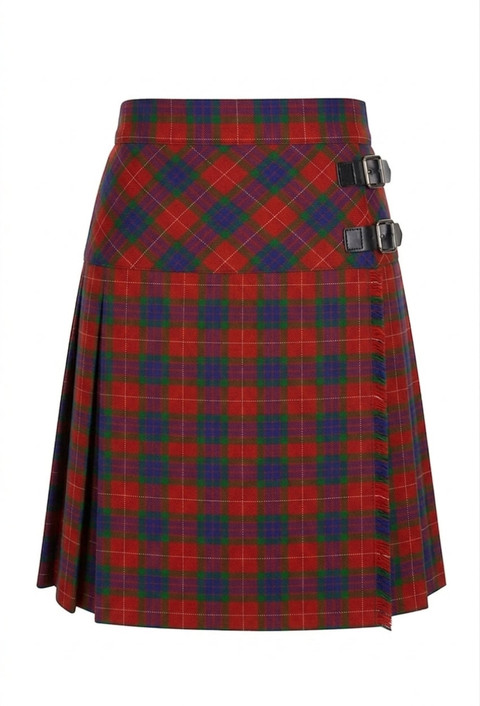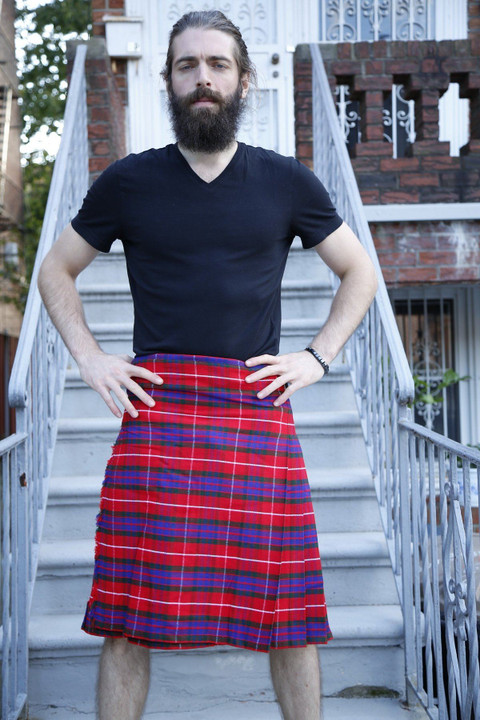
The Fraser clan tartan represents Scotland's most formidable Highland warriors, whose 'Je suis prest' motto echoes from Lovat castles to Culloden's tragic fields, connecting Fraser descendants worldwide through distinctive red and green patterns.
Clan Motto
All My Hope Is In God
Heritage & Identity
Who Wears Fraser Tartan?
Worn by Fraser descendants globally, Lovat branch families, Fraser Highland regiment veterans, Outlander enthusiasts, and Scottish heritage celebrants across Canada, America, and Britain.
Associated Names
Frissell
Frizell
Frasier
Frazer
Frisel
Frizzel
Fresel
Friseal
MacShimidh
Sim
Sims
Simpson
Tweedie
Oliver
Bisset
MacKillop
Lovat
Fraser of Lovat
Fraser of Philorth
Fraser of Saltoun
Military Heritage
Associated Regiments
Fraser warriors dominated Highland military service through Lovat Scouts, Fraser Highlanders, and elite Scottish regiments, earning legendary reputations from Seven Years War Canada to World War battlefields across the Empire.
78th Fraser Highlanders (Canada)
Lovat Scouts (UK)
71st Highland Light Infantry (UK)
Fraser's Rangers (Canada)
1st Battalion Lovat Scouts (UK)
Canadian Scottish Regiment (Canada)
Queen's Own Highlanders (UK)
Shop Fraser Tartan Products
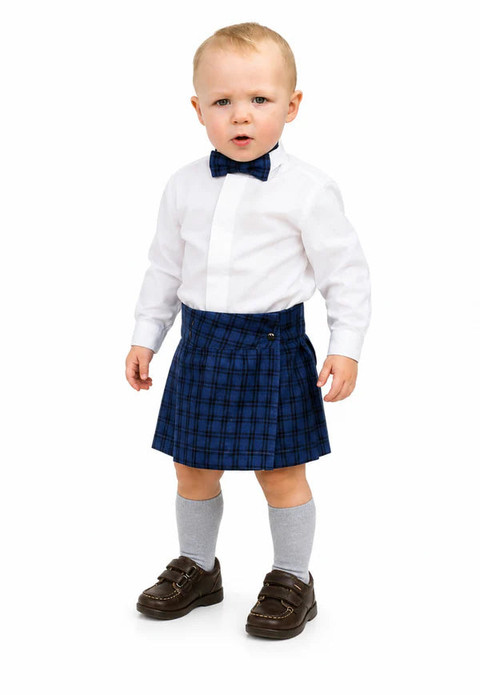
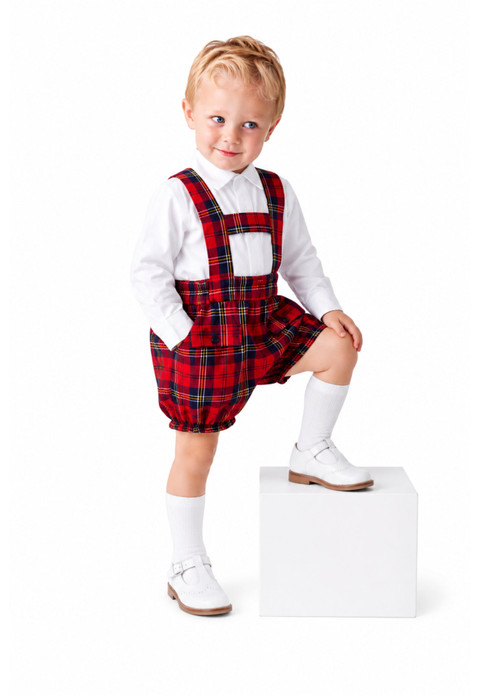
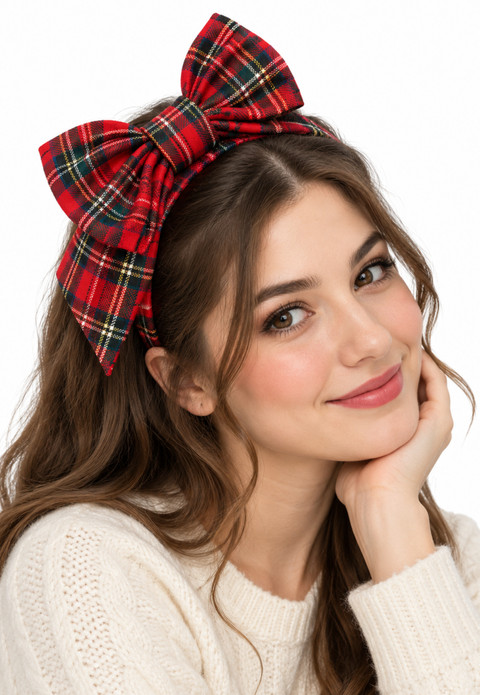
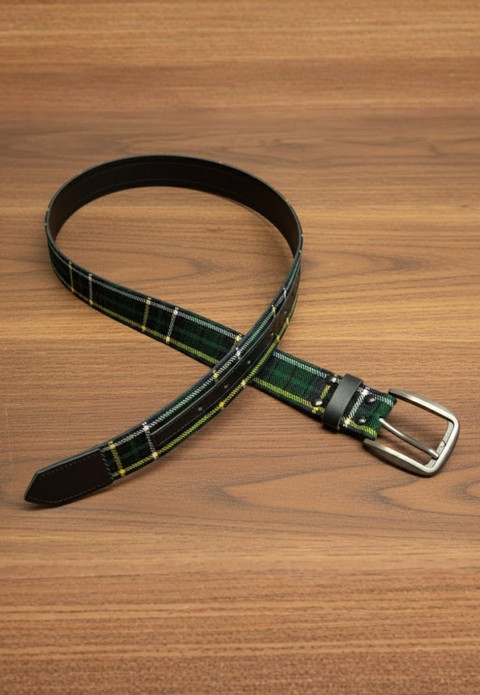
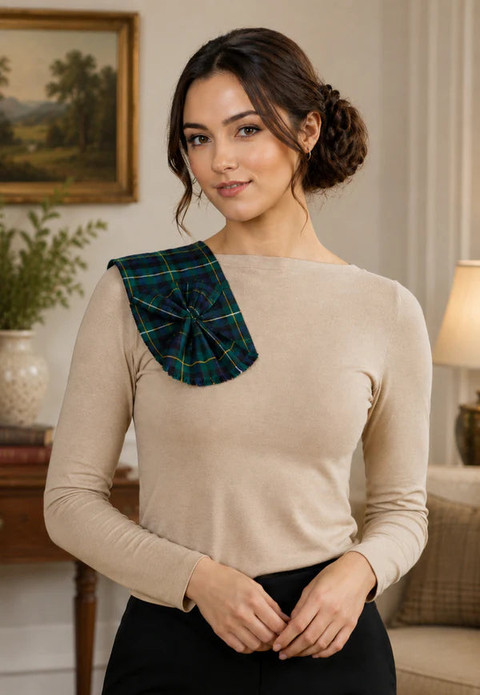
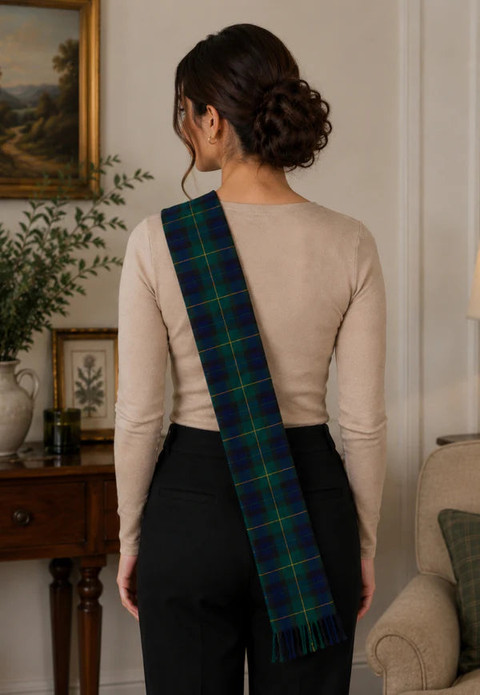
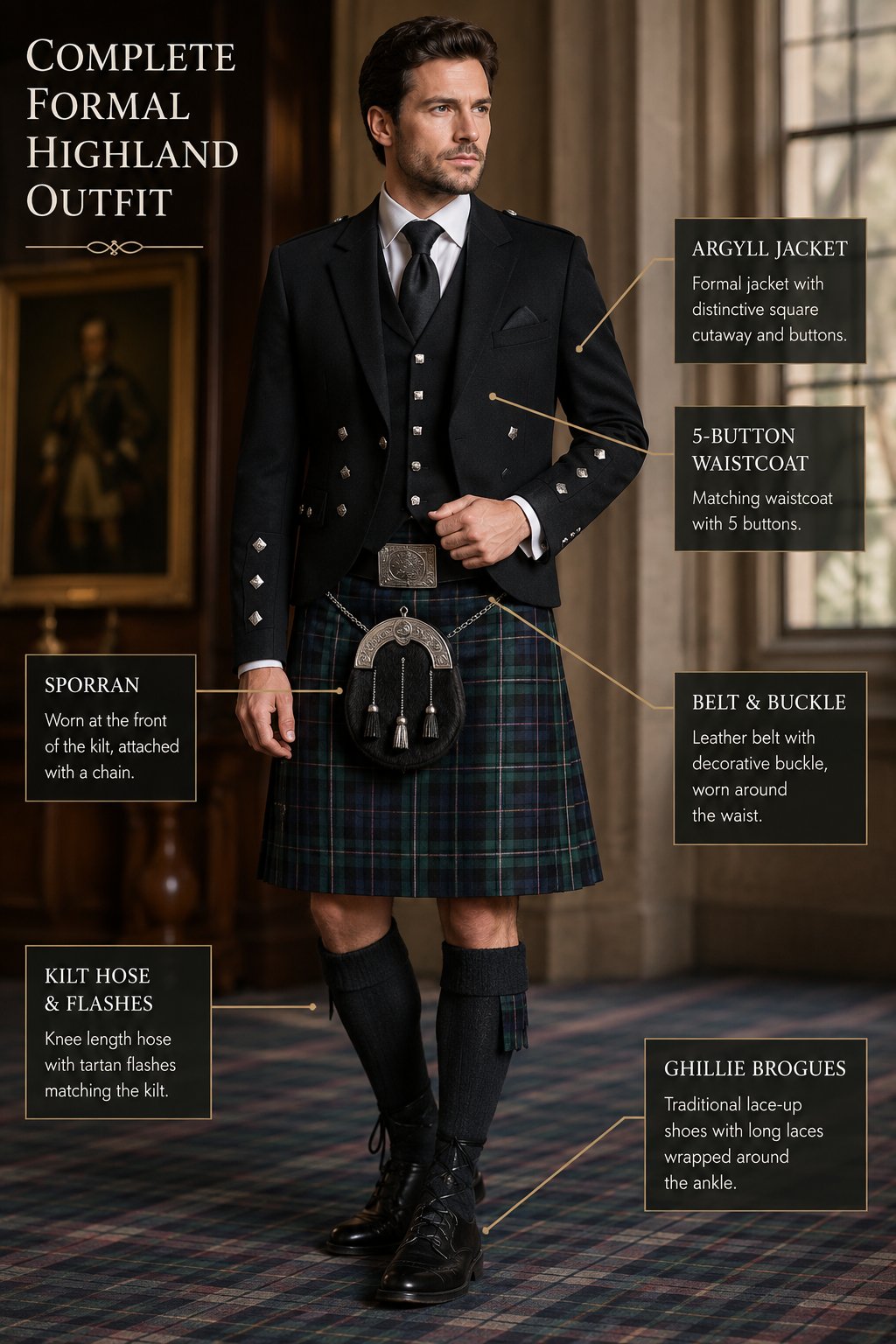
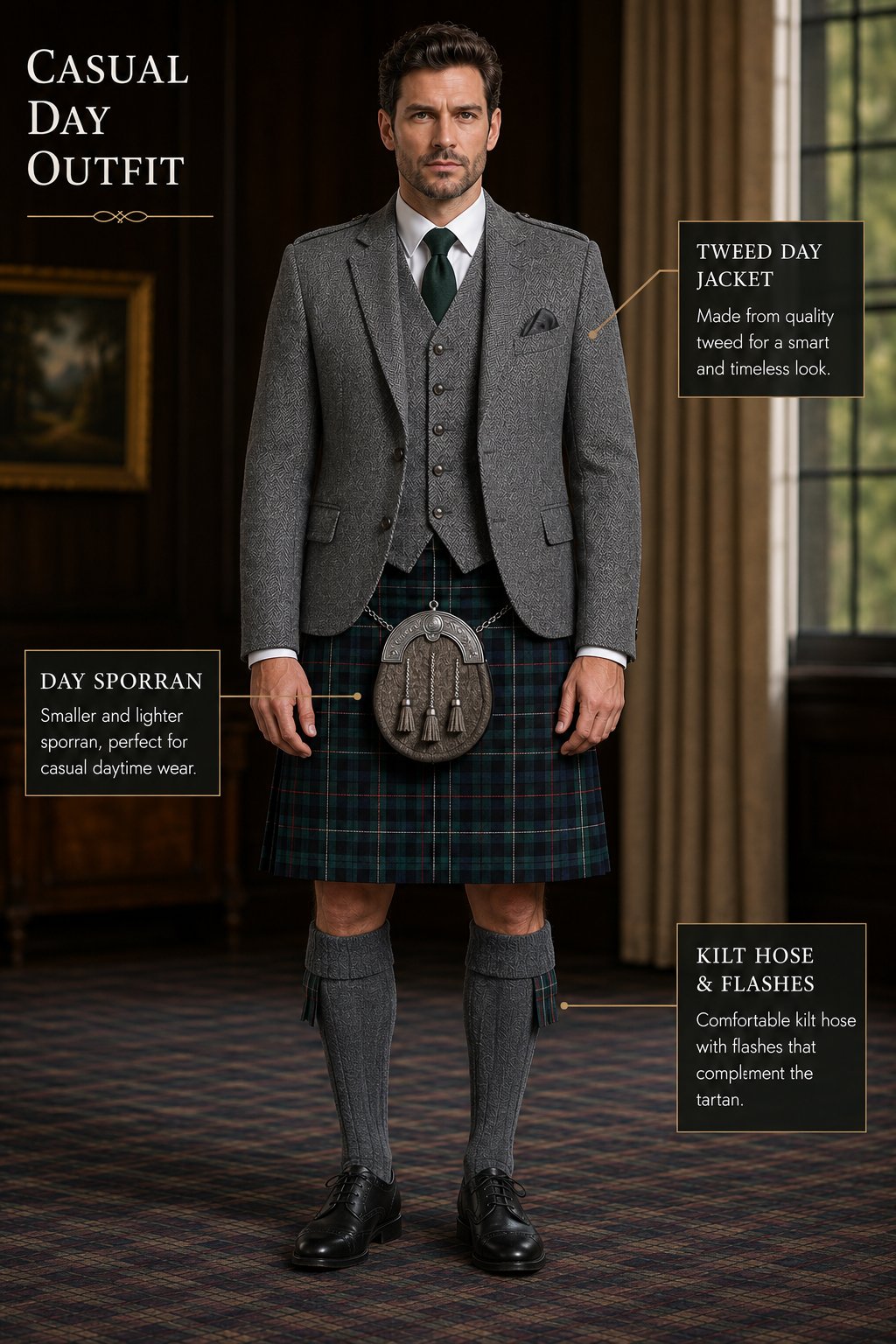
Discover authentic Fraser clan heritage through traditional Highland kilts, tartan accessories, clan badges, Fraser crest items, and ceremonial dress pieces for descendants throughout North America and Britain.
All Categories
Activewear Pants
Aprons
Artificial Flora
Baby & Toddler Bottoms
Baby & Toddler Outfits
Backpacks
Bagpipes
Belts
Blankets
Bomber Jackets
Brooches & Lapel Pins
Capes
Caps
Chair & Sofa Cushions
Christmas Tree Skirts
Clips
Cloth Napkins
Clothing Tops
Coats & Jackets
Costume Accessories
Costumes
Cowboy Hats
Cufflinks
Denim Shorts
Dog Supplies
Door Stops
Dresses
Earrings
Fabric
Flag & Windsock Accessories
Garter Belts
Gift Bags
Hair Accessories
Hair Pins, Claws & Clips
Handbags
Handkerchiefs
Hats
Headbands
Holiday Ornaments
Holiday Stockings
Hoodies
Lanyards
Masks
Necklaces
Neckties
Pant Suits
Pants
Pendants
Polos
Ponchos
Ribbons & Trim
Sashes
Scarves & Shawls
Skirts
Squares
Suspenders
Sweatshirts
T-Shirts
Table Runners
Tablecloths
Tote Bags
Traditional & Ceremonial Clothing
Traditional Clothing Accessories
Trousers
Uncategorized
Vests
Wallets
Winter Hats
All Styles
All Products
Bow Tie
Braces
Clutches
Cross Body Bags
Cushion
Dog Apparel
Female Kilts
Fly Plaid & Brooches
Fraser Tartan
Garter
Glengarry & Balmoral Hats
Golf Trouser
H-Bar Set
Hair Clip
Hair accessories
Handbags
Headband
Jackets
Kilt Flashes
Kilt Shirts
Kilted/Pleated
Lanyards
Long/Maxi
Midi
Mini
Musical instruments
Neckwear
Serape
Shirt
Short
Shoulder Bags
Sporrans
Stole
Suit
Tails / Morning Coat
Tartan Aprons
Tartan Brooch
Tartan Dresses
Tartan Hats & Caps
Tartan Knickerbockers
Tartan Leather Belts
Tartan Pants
Tartan Poncho
Tartan Ribbon
Tartan Sash
Tartan Scarf
Tartan Shawl
Tartan Ties
Tartan accessories
Tartan/Cargo
Trew
Waistcoat
Wallets, Pouches & Purses
Women Tartan Shorts
cape
kids kilt
mask
All Prices
Under $50
$50 - $100
$100 - $200
$200 - $500
$500+
Associated Tartans
Your Selected Tartan
Other Associated Tartans
Fraser Tartans
0 Variations
Each tartan can feature several variations, with the most common being Ancient, Modern, Weathered, Hunting and Dress.
Loading tartans…
Ancient Tartan
Before 1860, all fabric dyes came from nature — plants, berries, bark, and insects. The colours they produced were softer and more muted than what we're used to today: think mossy greens, dusty sky blues, and reds with a warm, orangey tone. A lot of people actually prefer Ancient tartans for this reason — the gentler contrasts let the pattern breathe and stand out in a way that bolder colours sometimes don't. Worth knowing: the pattern itself, called the sett, is exactly the same across all variations of a tartan. It's only the colours that change.
Modern Tartan
Modern tartans came about after 1860, when chemical dyes replaced natural ones. The difference is pretty striking. Those soft, earthy greens became deep bottle green. Pale blues turned into rich navy. Reds went from warm and muted to full-on scarlet. If you're after something bold and vivid, Modern is usually the one to go for. It's the version most people picture when they think of a classic tartan.
Weathered Tartan
Weathered tartans take their inspiration from what happens to fabric left out in the elements — faded by sun, softened by rain, worn in by time. The colours shift towards olive greens, warm browns, and very pale blues, with reds that fade down to something close to a dusty pink. It's a more rustic, lived-in look, and honestly a really beautiful one. If you want something that feels a little more understated and natural, Weathered is worth a look.
Hunting Tartan
Hunting tartans are essentially the camouflage version of a clan's tartan — greens and browns brought forward so the wearer could move through the landscape without standing out. Not every clan has one, and that's by design. If a tartan is already mostly green or brown (like the Black Watch or Gunn), there's no need to adapt it. But a tartan like the Fraser, which is predominantly red, would make someone very easy to spot in the field — so a Hunting version makes a lot of sense for clans like that.
Dress Tartan
Dress tartans were made for the big occasions — Highland games, celebrations, and traditional dance. The pattern stays the same, but the main colour is swapped out for white, or extra white is woven in to give it a lighter, more formal feel. As you'd expect from the Scots, the rules get bent every now and then — yellow has been used instead of white in some cases, which is exactly how the famously bold MacLeod Dress Modern and Barclay Dress Modern came to be.
The Fraser Story
Four centuries of history woven into every thread
Norman Beginnings
The Fraser clan began when Norman knight Sir Simon Fraser arrived in Scotland during King David I's reign around 1160, receiving lands in East Lothian. His descendants established themselves as formidable Border warriors before expanding into the Highlands through strategic marriages. The pivotal moment came when Sir Simon Fraser married into the ancient Bisset family, inheriting vast Lovat estates in Inverness-shire. This Highland connection transformed the Frasers from Border knights into Highland chiefs, with Castle Dounie becoming their power base. By the 14th century, two major Fraser branches emerged: Frasers of Lovat dominating Highland territories and Frasers of Philorth controlling northeastern Scotland, each developing distinct tartans and traditions.
Patriotic Warriors
Medieval Frasers proved themselves fierce Scottish patriots, with Sir Simon Fraser the Patriot becoming one of William Wallace's key allies against English occupation. His capture and brutal execution in London made him a martyred hero of Scottish independence. Meanwhile, the Lovat Frasers consolidated Highland power through clan warfare and strategic alliances, earning reputation as formidable warriors. The 15th century saw Frasers of Philorth founding Fraserburgh, establishing the clan as both Highland chiefs and Lowland nobles. Religious upheavals of the Reformation found most Frasers supporting Protestant causes while maintaining clan traditions, though political divisions occasionally split Fraser loyalties between competing Scottish factions during turbulent medieval periods.
Where does the name Fraser come from?
Fraser originates from French 'de Fresel' or 'fraise' meaning strawberry flowers, brought to Scotland by Norman knights in the 12th century. Sir Simon Fraser received lands in East Lothian from King David I around 1160, establishing the Scottish Fraser lineage. The clan motto 'Je suis prest' (I am ready) reflects their Norman-French heritage and warrior readiness that defined Fraser military traditions from medieval Scotland to modern Highland regiments.
Jacobite Intrigue
The 17th century brought Fraser involvement in major Scottish conflicts, with the 11th Lord Lovat supporting Covenanter causes against Charles I before switching allegiances. Simon Fraser, the infamous 11th Lord Lovat, became one of Scotland's most controversial figures through decades of political machinations, clan warfare, and shifting loyalties. His schemes included kidnapping rival heiresses, manipulating clan feuds, and playing all sides during Jacobite uprisings. The 1715 Jacobite rising saw Frasers initially supporting government forces, but Lovat's cunning maneuvering kept clan options open. Fraser military prowess grew legendary through countless Highland battles, cattle raids, and territorial disputes that established their dominance throughout Inverness-shire and beyond during this tumultuous century.
Culloden Tragedy
The 1745 Jacobite uprising marked Fraser history's most dramatic chapter when Simon Lovat finally committed clan forces to Prince Charles Edward Stuart's cause, bringing 800 Fraser warriors to Culloden. The battle's catastrophic defeat devastated Fraser ranks, with young Master of Lovat killed and many clansmen slaughtered on Drummossie Moor. Simon Lovat's subsequent capture and execution at Tower Hill made him the last man beheaded in Britain, ending an era of Fraser political intrigue. Despite Culloden's tragedy, Fraser military traditions continued through British Army service, particularly the famous 78th Fraser Highlanders who conquered Quebec under General Wolfe. Post-Culloden Frasers rebuilt through emigration to Canada, military careers, and gradual rehabilitation as Highland culture slowly recovered from government suppression and clearances.
The Fraser tartan embodies Highland warrior heritage from Lovat lordships to Culloden battlefields, worn by 'Je suis prest' descendants across Scotland, Canada, and America.
Featured Collections
Craftsmanship defined by tradition, designed for the modern era.