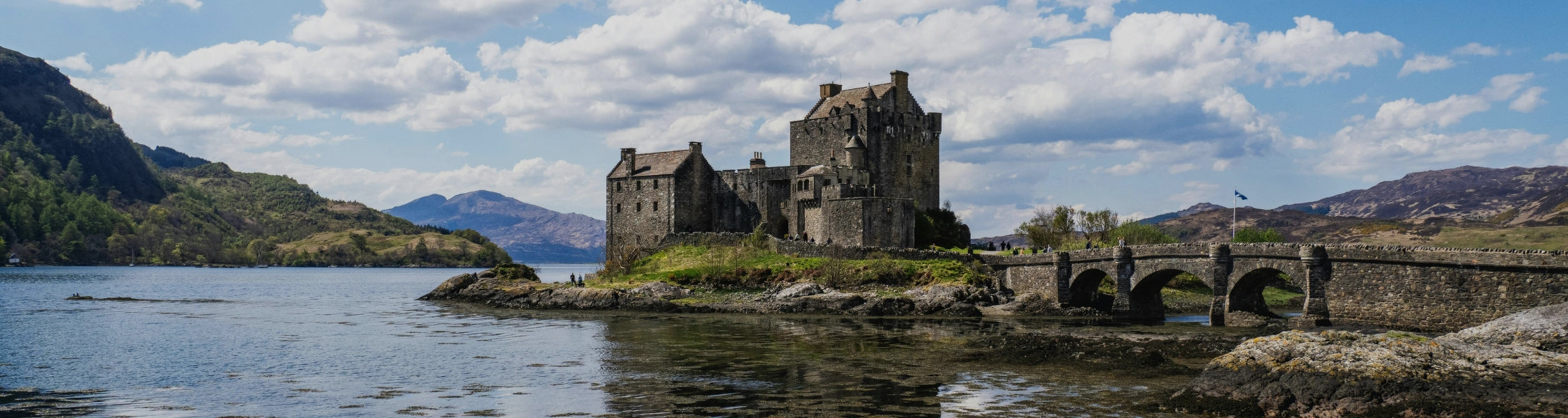
The Campbell clan tartan represents Scotland's most influential Highland family, whose thousand-year legacy spans from Argyll castles to North American settlements, military leadership across the British Empire, and modern descendants worldwide.
Clan Motto
Ne Obliviscaris (Forget Not)
Heritage & Identity
Who Wears Campbell Tartan?
Worn by Campbell descendants globally, sept families including MacArthur, MacIver, and Moore bearers, Highland regiment veterans, and Scottish heritage enthusiasts across America, Canada, and Britain.
Associated Names
MacArthur
MacIver
MacIsaac
MacLure
MacUre
MacConnochie
MacTavish
MacTyrie
MacCorquodale
Cawdor
Loudoun
Breadalbane
Glenorchy
Kintyre
Moore
Burns
Ure
Lorne
Calder
Kelso
MacKellar
MacInnes
MacGibbon
Denoon
MacLucas
MacOnie
Pinkerton
Military Heritage
Associated Regiments
Over the last 300 years, tartans have been a part of official dress for some of the most famous regiments throughout the military world! Their respective regimental tartans became undisputedly tied to the very core identity of the soldiers who wear it.
Argyll and Sutherland Highlanders (Scotland)
London Scottish Regiment (UK)
78th Highlanders Fraser's (Canada)
79th Cameron Highlanders (UK)
Black Watch (Canada)
Canadian Scottish Regiment (Canada)
Nova Scotia Highlanders (Canada)
42nd Royal Highland Regiment (UK)
Shop Campbell Tartan Products
Discover authentic Campbell clan products including traditional kilts, Highland dress accessories, clan badges, tartan scarves, ties, and ceremonial dirks crafted for descendants across North America and Britain.
All Categories
Aprons
Baby & Children's Outfits
Baby & Toddler Bottoms
Baby & Toddler Outfits
Baby One-Pieces
Backpacks
Baseball Caps
Beanies
Belt Buckles
Blankets
Bolero Jackets
Boots
Brooches & Lapel Pins
Chair & Sofa Cushion Covers
Charms & Pendants
Christmas Tree Skirts
Cloth Napkins
Clothing Tops
Coats & Jackets
Coin Purses
Cowboy Hats
Cross Body Bags
Cufflinks
Decor
Dresses
Earrings
Fashion Face Masks
Flags & Windsocks
Flat Caps
Garters
Gift Bags
Great Highland Bagpipes
Hair Pins, Claws & Clips
Handbags
Handkerchiefs
Hats
Headbands
Holiday Ornaments
Holiday Stockings
Lanyards
Messenger Bags
Neckties
Pet Bandanas
Pet Beds
Pet Collars & Ties
Puffer Jackets
Ribbons & Trim
Ring Pillows & Holders
Sashes
Scarves & Shawls
School Bags
Shirts
Shoes
Shorts
Shoulder Bags
Skirts
Slipcovers
Standard Collars
Suits
Suspenders
Table Runners
Tablecloths
Tote Bags
Traditional & Ceremonial Clothing
Traditional Clothing Accessories
Trousers
Varsity Jackets
Vests
Wedding Ceremony Supplies
Winter Hats
All Styles
16 oz
3 Piece
5 Yards - Casual
8 Yards - Traditional
9 Yards - Traditional
A Line
All Round Pleated
Argyll
Bias Cut
Bow
Dinner
Double Breasted
Dresses
Golf
Great Kilt
Horseshoe Neck
Infinity Scarf
Kate Coat
Kilt Shoes
Mini
Narrow Heel
Pencil
Pet Accessories
Prince Charlie
Quilted
Ring
Rosette
Shirt
Single Breasted
Sleeveless
Slim Cut
Straight Cut Bottom
Striped
Tie
Wrap
All Products
5 Yards Kilt - All Tartans
9 Yards Kilt - All Tartans
Bowties
Braces
Clutches
Coats & Jackets
Cross Body Bags
Denim Kilts
Dog Apparel
Dog Rug
Face Masks
Female Kilts
Fly Plaid
Ghillie Brogues
Great Kilt - All Tartans
H-Bar Set
Hair Accessories
Handbags
Headbands
Hybrid Kilts
Kids Kilts
Kids Outfit
Kids Skirts
Kilt Flashes
Kilt Jackets & Vests
Kilt Outfit
Kilt Shirts
Lanyards
Leather Kilts
Musical instruments
Neckwear
Ring Cushion
Romper Suit
Serape
Shoulder Bags
Sporrans
Stoles
Suits
Tartan Accessories
Tartan Aprons
Tartan Beret
Tartan Brooch
Tartan Capes
Tartan Decoration
Tartan Dresses
Tartan Hats & Caps
Tartan Knickerbockers
Tartan Leather Belts
Tartan Pants
Tartan Poncho
Tartan Ribbon
Tartan Sash
Tartan Scarf
Tartan Shawl
Tartan Shirts
Tartan Skirts
Tartan Ties
Tartan Vests
Tartan/Cargo
Trew
Trew Outfit
Vegan Kilt - All Tartans
Waistcoat
Wedding Garters
Women Shoes
All Prices
Under $50
$50 - $100
$100 - $200
$200 - $500
$500+
Associated Tartans
Your Selected Tartan
Other Associated Tartans
Campbell Tartans
0 Variations
Each tartan can feature several variations, with the most common being Ancient, Modern, Weathered, Hunting and Dress.
Loading tartans…
Ancient Tartan
Before 1860, all fabric dyes came from nature — plants, berries, bark, and insects. The colours they produced were softer and more muted than what we're used to today: think mossy greens, dusty sky blues, and reds with a warm, orangey tone. A lot of people actually prefer Ancient tartans for this reason — the gentler contrasts let the pattern breathe and stand out in a way that bolder colours sometimes don't. Worth knowing: the pattern itself, called the sett, is exactly the same across all variations of a tartan. It's only the colours that change.
Modern Tartan
Modern tartans came about after 1860, when chemical dyes replaced natural ones. The difference is pretty striking. Those soft, earthy greens became deep bottle green. Pale blues turned into rich navy. Reds went from warm and muted to full-on scarlet. If you're after something bold and vivid, Modern is usually the one to go for. It's the version most people picture when they think of a classic tartan.
Weathered Tartan
Weathered tartans take their inspiration from what happens to fabric left out in the elements — faded by sun, softened by rain, worn in by time. The colours shift towards olive greens, warm browns, and very pale blues, with reds that fade down to something close to a dusty pink. It's a more rustic, lived-in look, and honestly a really beautiful one. If you want something that feels a little more understated and natural, Weathered is worth a look.
Hunting Tartan
Hunting tartans are essentially the camouflage version of a clan's tartan — greens and browns brought forward so the wearer could move through the landscape without standing out. Not every clan has one, and that's by design. If a tartan is already mostly green or brown (like the Black Watch or Gunn), there's no need to adapt it. But a tartan like the Fraser, which is predominantly red, would make someone very easy to spot in the field — so a Hunting version makes a lot of sense for clans like that.
Dress Tartan
Dress tartans were made for the big occasions — Highland games, celebrations, and traditional dance. The pattern stays the same, but the main colour is swapped out for white, or extra white is woven in to give it a lighter, more formal feel. As you'd expect from the Scots, the rules get bent every now and then — yellow has been used instead of white in some cases, which is exactly how the famously bold MacLeod Dress Modern and Barclay Dress Modern came to be.
The Campbell Story
Four centuries of history woven into every thread
Campbell Origins
The Campbell clan emerged as Scotland's most powerful Highland family, tracing origins to 13th century Argyll when Sir Colin Campbell of Lochow received lands from King Alexander III. Known as 'Cailean Mor' (Great Colin), he founded a dynasty that would dominate western Scotland for centuries. The early Campbells established their stronghold at Inveraray Castle, strategically positioned to control sea routes and Highland passes. Through shrewd alliances with Scottish kings and strategic marriages, they expanded from minor landholders to become the premier Highland clan, earning the title Dukes of Argyll.
Rising Power
During Scotland's Wars of Independence, Campbells supported Robert the Bruce, earning royal favor and extensive land grants. The 14th and 15th centuries saw dramatic territorial expansion as Campbells acquired MacDougall lands, Lorn territories, and countless smaller holdings through conquest and marriage. They became hereditary keepers of royal castles and sheriffs of Argyll, wielding unprecedented Highland authority. The clan's political acumen allowed them to survive medieval power struggles while weaker neighbors fell, establishing Campbell supremacy across western Scotland and earning both respect and enmity from rival clans.
Where does the name Campbell come from?
Campbell derives from Gaelic 'Cam Beul' meaning 'crooked mouth' or 'wry mouth,' likely referring to a distinctive facial feature of an early clan ancestor. The name first appears in 13th century records as 'de Campo Bello' (beautiful field), suggesting Norman influence on the original Gaelic name. The clan's motto 'Ne Obliviscaris' (Forget Not) reflects their enduring Highland heritage from ancient Argyll territories to global Scottish diaspora communities.
Peak Influence
The 16th and 17th centuries marked Campbell ascendancy during religious and political upheavals. The 8th Earl of Argyll led Covenanter forces against Charles I, while later Campbells navigated Jacobite conflicts with characteristic pragmatism, generally supporting government forces. Their loyalty to Protestant succession brought rewards but also made them targets of Jacobite revenge, culminating in the tragic Massacre of Glencoe in 1692. Despite controversies, Campbells continued expanding influence through military service, with clan members commanding Highland regiments and colonial forces across the growing British Empire.
Global Expansion
Throughout the 18th and 19th centuries, Campbells embraced opportunities in the expanding British Empire while maintaining Highland traditions. Clan members served as governors in colonial India, military commanders in North American campaigns, and pioneers in Australian and Canadian settlements. The 5th Duke of Argyll modernized Highland agriculture, while Campbell emigrants established communities from Nova Scotia to New Zealand. They distinguished themselves in Highland regiments during Napoleonic Wars, Crimean campaigns, and frontier conflicts, earning military honors while spreading Campbell heritage globally through Scottish diaspora.
The Campbell tartan embodies Scotland's most powerful Highland clan, from Argyll strongholds to global diaspora, worn by descendants who shaped Scottish and world history.
Featured Collections
Craftsmanship defined by tradition, designed for the modern era.